
REVIEW · FOOD & TASTING WALKS
Eat Around the World Seattle Food Tour
Seafood, sweets, and history in one neighborhood. This Seattle food tour mixes global snacks with real place-making—street corners, landmark stops, and community storylines in the Chinatown International District. You’re not just chasing food. You’re learning how this neighborhood grew, changed, and kept feeding people.
I like the small-group size (max 12) because it keeps the walk stress-free, especially with frequent food stops. I also love that your lunch tastings are described as enough for a full meal, so the $29 price starts to feel fair fast.
One possible drawback: if you have gluten sensitivity or you need a vegan meal, the tour may not be able to accommodate you, so you’ll want to ask ahead and plan carefully.
In This Review
- Quick hits
- Why the Chinatown-International District is such a smart food-tour base
- Getting your bearings: Smith Tower and the Pioneer Square start
- The heart of the walk: Chinatown International District landmarks you can actually use
- How the food becomes the lesson: global tastings that add up to lunch
- Japanese-style sweets and snacks
- Chinese staples
- Korean-inspired flavors
- Filipino-inspired and Hawaiian-leaning bites
- Coffee and/or tea
- The tea stop and museum connection: snacks with a story attached
- When the guide makes the tour: Lee’s pace, history, and care
- Walk breaks, photo moments, and the fun side of the ID
- Price and value: what $29 buys in real terms
- Practicalities that can affect your day
- Who should book this Seattle food tour
- Should you book Eat Around the World Seattle Food Tour?
- FAQ
- FAQ
- How much does the Eat Around the World Seattle Food Tour cost?
- How long is the tour?
- Where is the meeting point?
- Where does the tour end?
- How many people are in the group?
- What food tastings are included?
- Is coffee or tea included?
- Can the tour accommodate gluten or vegan dietary restrictions?
- Are service animals allowed?
- Is cancellation free if I cancel close to the date?
Quick hits
- A route that ties food to place: Smith Tower to the Chinatown International District, with Pioneer Square history in the mix.
- Lunch tastings that add up: dumplings, musubi, octopus balls, Japanese-style waffle cakes, and more.
- Sweet stops from multiple cultures: ube or pandan desserts, plus other Japanese-leaning treats.
- Guide Lee sets the tone: people highlight his neighborhood storytelling and considerate pacing.
- Tea and Japantown museum vibes: a historic hotel cafe stop that connects snacks to Seattle’s Japanese American past.
Why the Chinatown-International District is such a smart food-tour base
If you want Seattle flavor without the big tourist machine, this part of town is a strong pick. The Chinatown International District (ID) is built on layers—Chinese, Japanese American, Filipino, Korean, and more—so you get a food crawl that feels logical. Instead of jumping between random neighborhoods, you stay in one community and watch it unfold with each bite.
What makes this experience work is that it treats food like information. You’re hearing how the International District formed and how it evolved over time, not in a lecture-y way, but in the rhythm of a walking tour. The neighborhood landmarks you pass are there for a reason. They help you connect what you’re tasting to where it came from and why it still matters.
And yes, you’ll eat. This tour is built to fill you up. The included tastings are listed as lunch, and the lineup is broad enough that you’re not stuck with only one flavor profile for two and a half hours.
Still hungry? More Seattle food walks and tasting routes


Getting your bearings: Smith Tower and the Pioneer Square start
Most tours start with the “meet here, walk there” part. This one starts with a landmark that helps you orient. You begin at Smith Tower at 506 2nd Ave, right in the downtown skyline zone. It’s a classic Seattle marker—useful for snapping your map into place before you head into the ID.
From there, the walk links you into Pioneer Square-adjacent stories. Along the way, you may hear about early Seattle days as a pioneer town, including the period when trains mattered because logging was a big engine of growth. You’ll also pass streets with nicknames tied to early Seattle industry and hardship, which makes the city’s growth feel less like a history slide deck and more like lived reality.
One optional note: Smith Tower is also a place you can revisit later for an elevator ride and views from the top floor. The tour doesn’t require you to do that, but it’s nice to know that the building has an easy add-on for your free time afterward.
The heart of the walk: Chinatown International District landmarks you can actually use
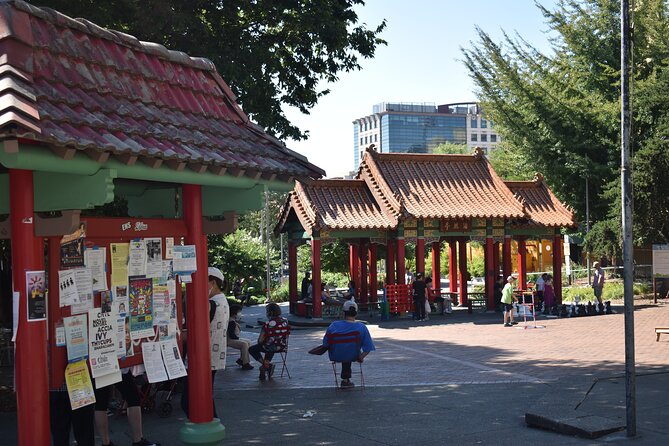
Once you reach the ID, the tour leans into the neighborhood’s own geography and icons. You’ll spend most of the tour time in this one-of-a-kind area that preserves cultural roots while still functioning as a day-to-day community.
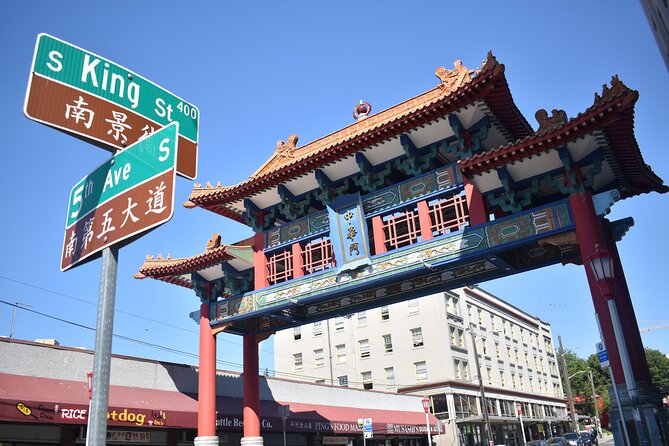
You might pass the Chinatown gate and you’ll likely see historic restaurants and museums along the way. Even when the stop list changes a bit, the route is clearly built around recognizable structures—so you get both practical orientation and real context.
A few standout built-environment moments you should look for during the walk:
- A steep-hillside terrace area with garden plots tended by local residents, plus Japanese-inspired gardens and stone elements.
- A historic rail station built in 1906 by the Great Northern Railway, a defining structure for the neighborhood.
- A well-known station-and-street context as you move between Pioneer Square and the ID, with trains and Seattle’s industrial shift woven into the story.
These aren’t just photo stops. When your guide ties a place to the way the neighborhood developed, your brain connects the dots. You start to understand why certain foods, businesses, and cultural traditions cluster here.
How the food becomes the lesson: global tastings that add up to lunch
This is the part that matters, so let’s talk about what you actually get.
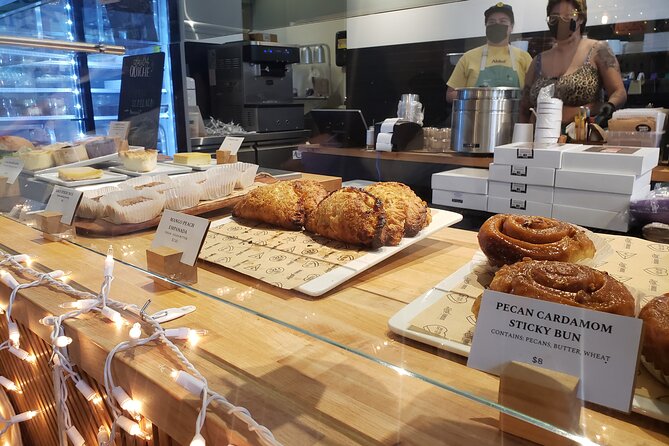
The tour includes lunch tastings equal to a full meal, which is crucial for value. At $29, you’re paying for a guided route plus a meaningful amount of food, not a handful of bites. The included list is also nicely international without feeling random:

Japanese-style sweets and snacks
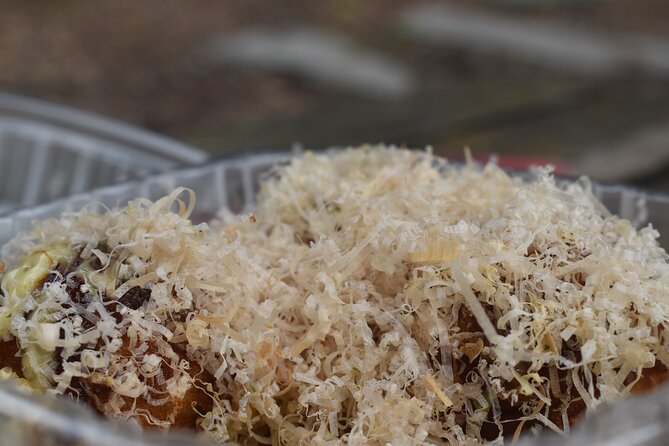
You can expect azuki bean–filled waffle cakes. If you’ve had azuki before, you know it brings a gentle sweetness with a slightly earthy depth. If you haven’t, this is a good intro that won’t hit your stomach like a heavy dessert.
You may also try savory octopus balls. They’re one of those foods that taste like a street-food shortcut to comfort, especially when you’re walking and need something warm and savory to balance sweets.
Chinese staples
The tour includes dumplings with various fillings. Dumplings are a great choice for a walking tour because they’re filling, portable in spirit, and easy to compare across fillings from stop to stop.
Korean-inspired flavors
For something colorful and unmistakably “food-tour fun,” the included desserts may include ube or pandan options. These flavors show up in different culinary corners of the world, so tasting them here helps you see how cross-cultural tastes travel and adapt.
Filipino-inspired and Hawaiian-leaning bites
You might get Filipino-inspired treats, including a stop at a cafe and bar known for Filipino desserts. You can also expect musubi, which brings a Hawaiian island influence into the mix and is ideal during an ID walking route.
Coffee and/or tea
Plan on a coffee and/or tea inclusion as part of the tastings. And the tour specifically suggests a tea stop tied to a historic hotel and cafe that also functions as a museum space preserving Seattle’s Japantown history.
If you’re the type who hates tours where you leave hungry, this one is designed to solve that. The included tastings are broad enough that you’re getting salty, sweet, and at least one “warm comfort” item during the walk.
The tea stop and museum connection: snacks with a story attached
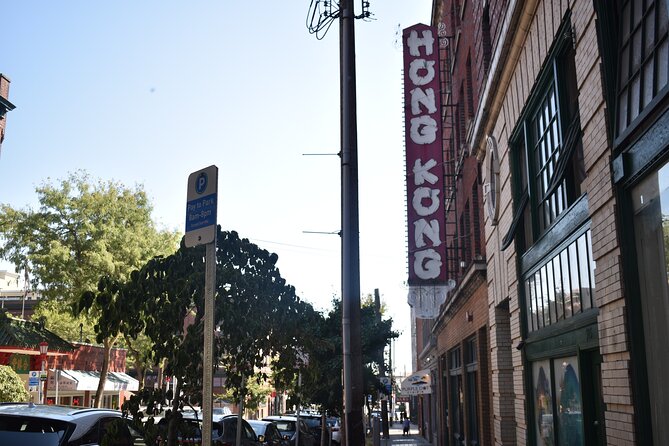
One of the most distinctive aspects of this tour is how often it blends food with place-based culture. You may stop in or pass by a historic hotel and cafe that serves teas and snacks and also preserves Seattle’s Japantown history through a dedicated museum-like space.
That matters because it turns a simple cup of tea into context. You’re not just tasting something nice; you’re learning why this part of Seattle has specific cultural roots and how those roots stayed present even as the city changed around them.
If you like experiences where you can carry what you learn into your next block of exploring, this is a good fit. And if you don’t want museums in the typical sense, the tea-and-snack format keeps it light while still meaningful.
When the guide makes the tour: Lee’s pace, history, and care
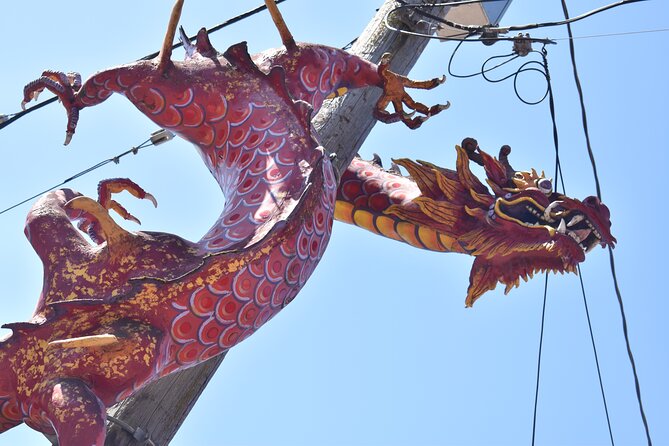
The strongest praise in the available feedback centers on the guide experience. Lee is called out for being strong on neighborhood history and, just as important, considerate about how the tour moves.
In one example, the tour worked even with someone using a walker. That’s not a guarantee for everyone, but it tells you something important: the guide likely adjusts pace and builds in time for stops rather than sprinting you between bites.
The fact that the tour can run as a more private experience also helps. One person described getting a private version after scheduling changes. With a maximum group size of 12, you generally aren’t stuck with a huge herd. That makes it easier to ask questions, handle timing comfortably, and actually pay attention to the story behind the food.
If you care about both taste and context, pick the tour because of the guide. If you care only about max snacks and zero walking, you might find other shorter formats better—but within walking-food standards, this one aims for a friendly pace.
Walk breaks, photo moments, and the fun side of the ID
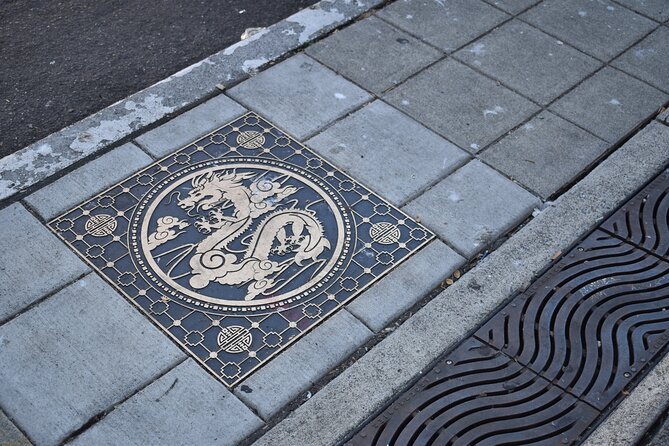
A good food tour should do two things at once: feed you and keep you moving at a human tempo. This route appears to build in snack stops through small eateries and specialty spots, so you’re not constantly hustling.
You may pass by or stop near:
- A Japanese-inspired garden terrace with resident-tended plots and stone features.
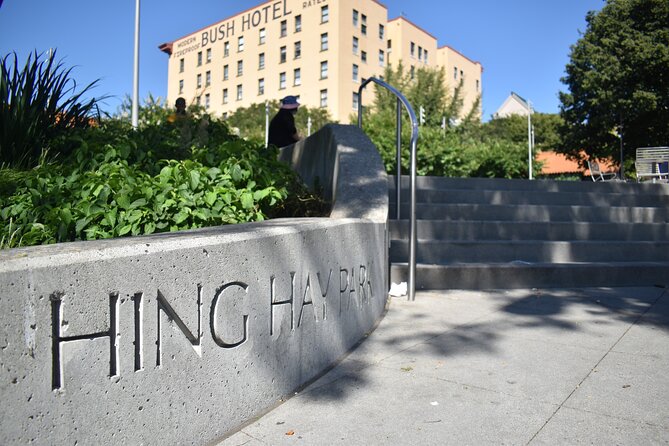
- A large public park in the heart of the ID where people relax and recreate.
- A historic Japanese restaurant dating back to 1904 (you may pass by during the walk).
- An Asian supermarket where you might grab a special snack with your guide.
- A station-built landmark from 1906 that helps you visualize how trains shaped Seattle’s industry and growth.
After the tour, the area has easy “keep going” options too. If you still have energy, there’s mention of a nearby pinball spot billed as the largest public pinball collection in the Pacific Northwest. It’s a silly, fun contrast to all the food and history, and it’s the kind of local detour that makes a neighborhood tour feel complete.
Price and value: what $29 buys in real terms
$29 sounds low for anything that includes a guide, multiple tastings, and a full walking route. In this case, the value comes from two things:
- The tastings are described as equal to a full meal, so you’re not paying for tiny samples.
- The guided element covers route storytelling—Smith Tower orientation, ID cultural history, landmark context, and snack stops along the way.
Also, the group size ceiling of 12 helps value. Smaller groups usually mean less waiting, more question time, and a calmer pacing rhythm between bites.
You will still want to budget for anything beyond what’s included. The tour notes that additional food and drink, souvenirs, and tips are not included. But for what’s on the included list, the price-to-eating ratio is one of the main reasons this tour makes sense for visitors who want one “do it all” afternoon without breaking the bank.
Practicalities that can affect your day
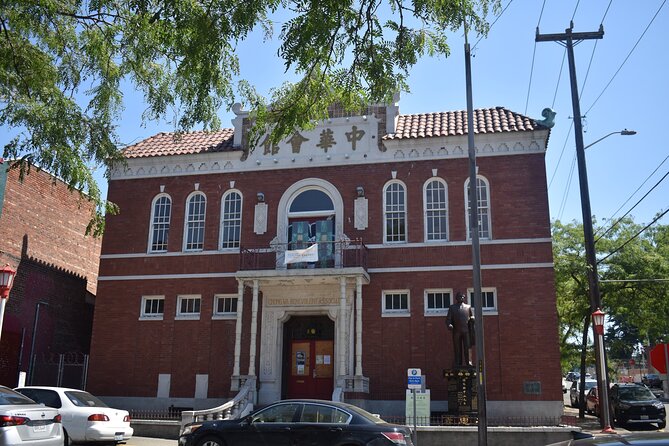
A few practical notes can help you enjoy this more.
Walking time and comfort: It runs about 2 hours 30 minutes. That’s long enough to matter. Wear comfortable shoes and plan to be outside for stretches even though tastings happen along the route.
Mobile ticket: You get a mobile ticket, which makes it easier to find your group at the start.
Where you start and end: You start at Smith Tower (506 2nd Ave) and the tour ends in the Seattle Chinatown International District area. That’s convenient because you can keep exploring immediately afterward.
Public transportation proximity: It’s near public transit, so you won’t have to wrestle with parking or a long walk before you even start.
Dietary restrictions: If you need gluten-free due to gluten sensitivity or you require vegan restrictions, the tour may not be able to accommodate you. Reach out to ask about alternatives. It’s better to confirm early than to hope the stops line up with your needs.
Who should book this Seattle food tour
This is a great choice if you:
- Want Seattle food that’s tied to an actual neighborhood, not a generic tasting menu.
- Like variety: sweet and savory, plus multiple cultural influences in one route.
- Enjoy history that you learn while moving through streets, gates, and landmark architecture.
- Prefer a smaller-group experience (max 12) over a big bus-style crowd.
You might choose something else if you:
- Have strict dietary limits that aren’t likely to be accommodated, like gluten sensitivity or vegan-only needs.
- Don’t want to walk for 2+ hours even with frequent snack stops.
Should you book Eat Around the World Seattle Food Tour?
If you want a single afternoon that gives you global flavors, real neighborhood context, and a route you can remember later, I think this one is a strong pick. The included tastings are set up like lunch, not like a light snack, so the $29 price feels like it matches what you get. And the best praise is practical: Lee brings solid neighborhood storytelling with a considerate pace, including examples where the walk remained workable with mobility needs.
Book it if your goal is to understand Seattle by eating your way through the Chinatown International District. Skip it if your dietary requirements are strict enough that you’ll need guaranteed swaps at every stop.
FAQ
FAQ
How much does the Eat Around the World Seattle Food Tour cost?
The price listed for the tour is $29.
How long is the tour?
The duration is approximately 2 hours 30 minutes.
Where is the meeting point?
The meeting point is 506 2nd Ave, Seattle, WA 98104, USA.
Where does the tour end?
The tour ends in Seattle Chinatown-International District, Seattle, WA.
How many people are in the group?
The tour has a maximum group size of 12 travelers.
What food tastings are included?
Lunch tastings are included and are described as equal to a full meal, with items such as Japanese-inspired azuki bean–filled waffle cakes, Japanese savory octopus balls, Chinese dumplings with various fillings, Korean-inspired ube or pandan desserts, and Hawaiian-inspired musubi.
Is coffee or tea included?
Yes. Coffee and/or tea are included.
Can the tour accommodate gluten or vegan dietary restrictions?
The tour may not be able to accommodate certain allergies, including gluten sensitivity and vegan restrictions. It’s recommended to reach out to inquire about alternatives or to arrange a private tour.
Are service animals allowed?
Yes, service animals are allowed.
Is cancellation free if I cancel close to the date?
Free cancellation is offered if you cancel at least 24 hours before the experience starts. If you cancel less than 24 hours before, the amount paid will not be refunded.
Eat Your Way Across Seattle
- Chef Guided Food Tour of Pike Place Market
★ 5.0 · 3,733 reviews - Pike Place Market Tasting Tour
★ 5.0 · 1,696 reviews - Early-Bird Tasting Tour of Pike Place Market
★ 5.0 · 1,154 reviews - Taste Pike Place Walking Food Tour
★ 5.0 · 930 reviews - Seattle: Pike Place Market Chef-Guided Food Tour
★ 4.8 · 847 reviews - Seattle Delicious Donut Adventure & Walking Food Tour
★ 5.0 · 772 reviews
Just Added: Fresh Seattle Tour Reviews
- Viator Exclusive – Half Day Mountain Bike Tour from Seattle★ 5.0 · 3 reviews
- Break It and Make It: A Glass Fusing Session in Everett★ 4.5 · 3 reviews
- Bainbridge Island Discovery and Wine Tour★ 5.0 · 3 reviews
- Alki Lighthouse Sea Kayak Tour★ 5.0 · 3 reviews
- Sail Bainbridge Island & Seattle Waters – Classic Sailboat★ 5.0 · 3 reviews
- City Sightseeing Seattle: HOHO Bus Tour + Locks Cruise★ 4.3 · 3 reviews
Food & Tasting Walks, compared.
 ★ 5.0Chef Guided Food Tour of Pike Place MarketFrom $733,733 reviews
 ★ 5.0Pike Place Market Tasting TourFrom $681,696 reviews
 ★ 5.0Early-Bird Tasting Tour of Pike Place MarketFrom $761,154 reviews
 ★ 5.0Taste Pike Place Walking Food TourFrom $62930 reviews
 ★ 4.8Pike Place Market Chef-Guided Food TourFrom $70847 reviews
 ★ 5.0Seattle Delicious Donut Adventure & Walking Food TourFrom $65772 reviews
 ★ 5.0The Original Food and Culture Tour of Pike Place MarketFrom $140594 reviews
 ★ 5.0Meet the Market- Food and Fun tour in Pike Place MarketFrom $58305 reviews
Browse the lists this tour appears in