
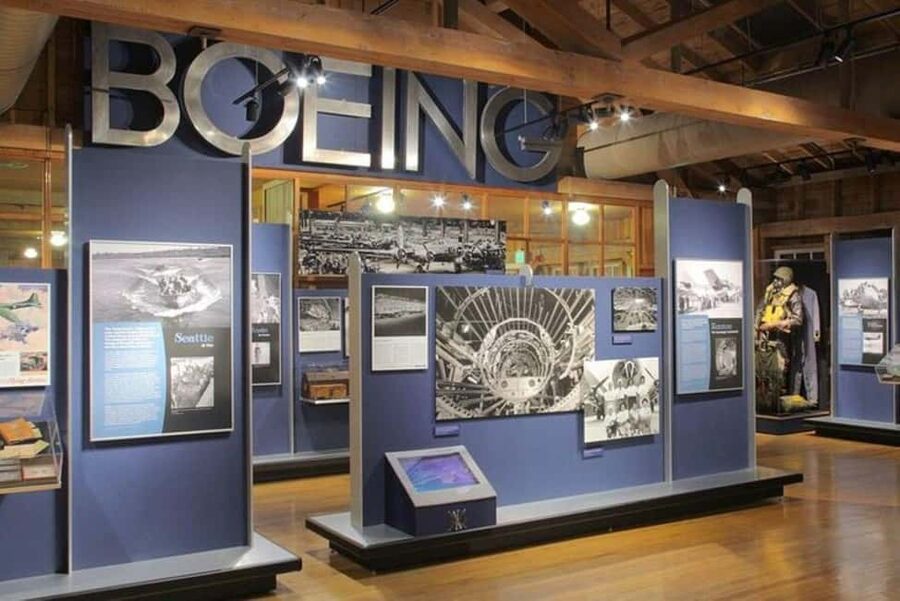
REVIEW · BOEING & FLIGHT EXPERIENCES
Seattle: The Museum of Flight Entry Ticket
Planes on planes on planes. Seattle’s Museum of Flight is the world’s largest private air-and-space museum, so it feels less like a quick stop and more like a full-on day in aviation history. You’ll see 150+ aircraft up close, plus hands-on and multi-sensory exhibits that make the story of flight click for first-timers and die-hard fans alike.
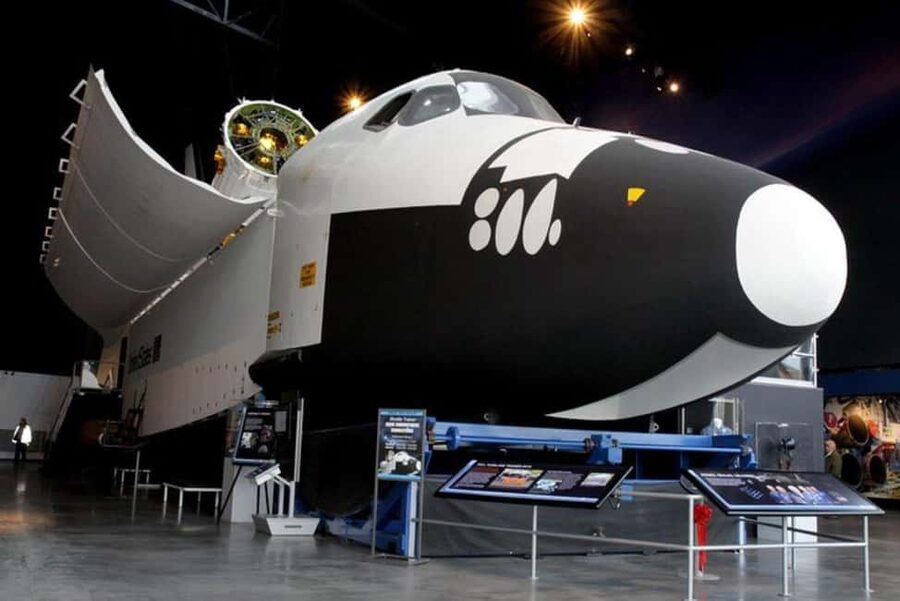
I especially like the up-close access to major aircraft moments. The Space Shuttle Trainer mockup is a standout, and the cockpits and galleries around it make you feel how thick the engineering must be in real life. I also love the way the museum blends aviation with people stories, not just metal—walk into spaces like the Personal Courage Wing and you’re looking at World War flight from the human side.
One thing to plan for: this is a large museum. It covers five separate galleries across a big campus, and you’ll want at least 3 hours to see most of what matters. Also, simulators cost extra, so if you’re simulator-only focused, budget for that.
In This Review
- Key highlights at a glance
- Seattle’s Museum of Flight: why it’s worth your time
- Getting oriented: the museum’s five-galleries layout (and how to pace it)
- Aviation Pavilion: cockpits, early jet legends, and the glass-gallery wow factor
- Great Gallery: aircraft that feel like they’re floating
- Space Gallery: the full-size Space Shuttle Trainer you can get close to
- Personal Courage Wing: World Wars told through pilots and support teams
- Rare aircraft stop: the M-21 Blackbird and jets from Korea and Vietnam
- Simulators and the optional 3D movie: plan them without losing your whole day
- Audio guide included: using it without getting stuck in translation
- Clear-day views: Seattle-Tacoma Airport and Mount Rainier from the bridge
- Price and value: what $29 buys you (and what to budget for)
- Service and timing reality: give yourself breathing room
- Who should buy this ticket
- Should you book the Museum of Flight entry ticket?
- FAQ
- What’s included with the Seattle Museum of Flight entry ticket?
- Are the flight simulators included in the ticket price?
- Is the 3D movie included?
- How long should I plan to spend at the museum?
- What time is the last admission?
- Does the audio guide come in multiple languages?
- Is the museum wheelchair accessible?
- Are there items I can’t bring into the museum?
- How long is the ticket valid?
Key highlights at a glance
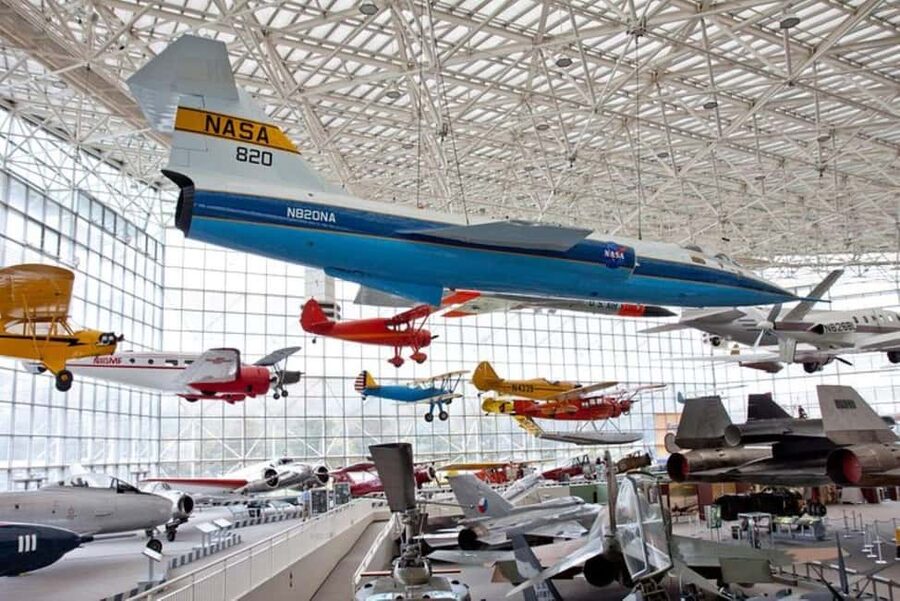
- Space Shuttle Trainer mockup you can get right up to
- 150+ aircraft across multiple aircraft-heavy galleries
- Personal Courage Wing for World Wars stories told through people
- Rare aircraft including the M-21 Blackbird spy plane and war jets
- Big views day on clear skies from the T. Evans Wyckoff Memorial Bridge
Seattle’s Museum of Flight: why it’s worth your time
If you like aircraft, this is one of those places where you can’t help but look up—constantly. The museum is built around aircraft displays on a real campus layout, not a single-room museum feeling. That matters because your brain understands size better when the exhibits are spaced out and you can walk between “eras,” not just scroll past them.
The value comes from the museum’s sheer variety. You’re not only seeing planes from one niche decade. You’ll move from early aviation concepts to big commercial jets, then into military aircraft, and finally into space-focused exhibits. It’s a straight line from flight as an idea to flight as a full system—airframes, engines, training, and the people making it work.
For me, the best part is the museum’s mix of “look closely” and “try it.” Some spots are visually impressive first (that’s the fun), but others are designed so you understand the stakes and constraints behind flight—like training environments for astronauts and the support roles in wartime operations.
More Seattle passes and gallery hours worth booking




Getting oriented: the museum’s five-galleries layout (and how to pace it)
The museum is spread across a large, two-sided campus and runs through five separate galleries. That can sound annoying, but it actually helps. It lets you slow down in key areas instead of running through everything like a checklist.
Plan on at least 3 hours if you want the majority of exhibits. If you also want to do simulators (not included in the ticket), add time. The last admission is 4:00 PM, and the museum closes at 5:00 PM. So even if you feel energetic, don’t treat this like a “show up late and see a little” kind of place.
My practical pacing tip:
- Start with the galleries that interest you most (space and aviation, if you’re choosing).
- Leave time for the “between” moments: cockpits, glass displays, and the big mid-camp hangar vibes.
- If you’re doing simulators, keep them near the end so you don’t lose your whole afternoon if one simulator line or timing doesn’t work.
Also, advanced ticket purchase helps you skip the line, which is one of those small things that makes the day smoother before you even reach the first aircraft.
Aviation Pavilion: cockpits, early jet legends, and the glass-gallery wow factor
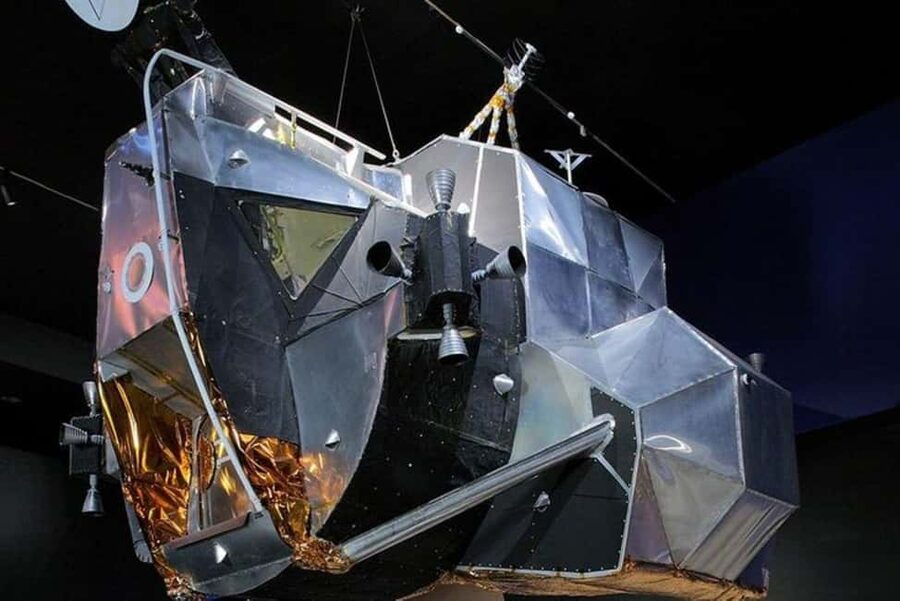
If you want a fast hit of aviation culture, the Aviation Pavilion is where you start seeing how the museum frames flight. This is where you’ll encounter major aircraft names and designs—some that represent breakthroughs in commercial aviation, and others that show what became standard once air travel scaled up.
I like this area because it hits a sweet spot. It’s not just “here’s a plane.” You also get context for why that aircraft mattered. And because you’re in a real museum layout, you can step into the story at your own speed: pause, read the placards, then move on when your feet need a change of scenery.
Look out for these specific display-style moments:
- A cockpit experience like sitting in or touring through a Boeing 747 area
- A large glass gallery featuring the human-powered MacCready Gossamer Albatross II
- A replica of Amelia Earhart’s aircraft (the museum treats her story as part aviation history, part cultural memory)
Even if you know very little about aviation, these displays give you anchors. Human-powered flight is a great “wait, we really did that?” example. And the Earhart reference helps you see how courage, risk, and public imagination shaped aviation’s early era.
Great Gallery: aircraft that feel like they’re floating
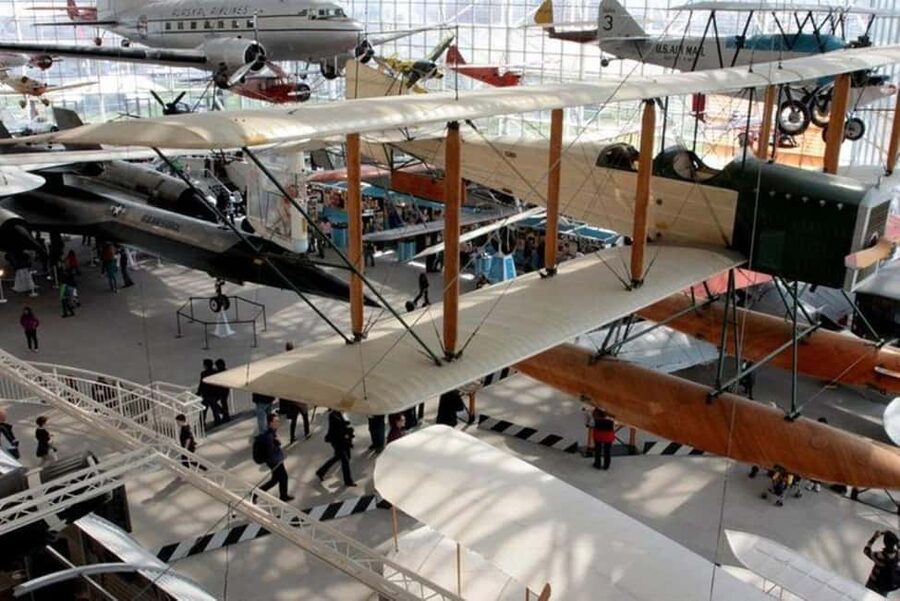
The Great Gallery is the big visual centerpiece. The museum’s design makes planes seem suspended mid-air, which creates a strong “museum moment” even before you start reading every label.
This space is also where I’d slow down. Big galleries can tempt you to keep moving, but the payoff is in seeing how the aircraft are positioned. You’ll get a sense of scale that’s hard to capture with photos. When you’re standing in front of real machines, your brain starts comparing wingspans, engine shapes, and proportions in a way that feels immediate.
What you’ll likely enjoy most here:
- The way the aircraft presentation connects different eras without feeling random
- The chance to step back and re-check details from another angle
- A calmer pace once you’re in the “big room” rhythm
If your group includes mixed interests—say, one person wants space and one person just loves airplanes—this is a solid meeting point. You can both have your moment and still keep the day moving.
Where the jets get built, more flight tours
Space Gallery: the full-size Space Shuttle Trainer you can get close to
This is the section that turns an aviation museum into a space museum in a very real way. The Space Gallery is described as multi-sensory, and the star is the full-sized Space Shuttle Orbiter mockup used for astronaut training.
That training detail matters. A mockup isn’t here just for decoration. It’s a reminder that spaceflight is as much about procedures and practice as it is about rockets and dreams. Standing in front of an object tied to training makes the whole space story feel more grounded.
If you’re visiting with kids or anyone who likes “show me how it works,” this is likely your best bet. You can walk up to a recognizable shuttle-style form and connect it to the idea of getting ready for flight—seat time, systems familiarization, and learning how to handle the real environment through rehearsal.
Bonus: this museum also includes an optional flight-themed 3D movie that can set the mood early. It’s not included with the entry ticket, but if you’re in the mood to go cinematic before you hit the aircraft, it can help you mentally shift into the aviation-to-space theme.
Personal Courage Wing: World Wars told through pilots and support teams
This wing is where the museum gets emotionally serious without turning into a lecture hall. Instead of only focusing on hardware, it emphasizes stories from the people behind flight—pilots, nurses, photographers, and support crew.
It’s a smart choice for visitors because it gives context. Planes aren’t just machines; they operate inside a network of roles. When you see a display framed around those roles, you start noticing that wartime aviation is really about logistics, communications, and survival—along with combat.
I also like the “eyes and stories of the pilots” framing. If you’re an aviation fan, you probably enjoy mission narratives. Here, the museum leans into that energy but keeps it human.
This section can work as your mental reset after you’ve spent a while in aircraft-heavy rooms. It’s not just a break; it gives your afternoon more meaning.
Rare aircraft stop: the M-21 Blackbird and jets from Korea and Vietnam
One of the most memorable things in the museum is its inclusion of specific, rarer aircraft—especially the M-21 Blackbird spy plane. Having a spy-plane example in the collection makes the museum feel less like a generic air show. It shows the intelligence and reconnaissance side of flight development.
You’ll also see jet fighters connected to the Korean and Vietnam Wars. That adds a crucial historical layer: these aren’t only “famous silhouettes.” You can trace how jet design changed in response to real conflict realities.
If you’re the type who likes to go beyond the obvious mainstream airliner names, this is where you’ll feel rewarded. And even if you’re not, it gives you something concrete to talk about—one plane, one story, and suddenly your museum visit has a stronger backbone.
Simulators and the optional 3D movie: plan them without losing your whole day

The entry ticket gives you access to the museum, but flight simulators are not included. The 3D movie is also not included, even though it can be a fun way to start your day.
So treat these as extras, not the foundation. Why? Because simulators and 3D experiences can steal time from the physical aircraft exhibits if you let them. If your goal is to maximize what you see for the money, keep simulator time limited or schedule it carefully.
My simple approach:
- Do the core galleries first (space and the big aircraft rooms).
- Then decide in the last stretch if you want the simulator experience.
- If you’re short on time, you won’t regret choosing the exhibits that are included.
Audio guide included: using it without getting stuck in translation
Good news: you get an audio guide included. It’s available in German, Chinese, Russian, Japanese, English, French, and Spanish.
I love audio guides in museums like this because they can help you connect details to what you’re seeing. But they only work if you use them lightly. Don’t try to listen to everything like it’s a class. Instead, use it for the moments that matter most—space gallery, the rare aircraft, and the “why this matters” story areas.
Quick tip: if you start one or two longer audio segments, you’ll still be able to wander through the rest with your own pace. This museum is big enough that rushing kills the magic.
Clear-day views: Seattle-Tacoma Airport and Mount Rainier from the bridge
On clear days, head to the T. Evans Wyckoff Memorial Bridge for views of Seattle-Tacoma International Airport and Mount Rainier.
This is more than a pretty postcard moment. It connects the museum back to the real world outside. You’re standing in a place where aircraft activity is happening at full scale, and the view helps you understand how close this aviation culture sits to daily life in the region.
Also, a view break can help you keep your energy up. After a couple hours indoors, a quick walk outside can reset your attention for whatever gallery you plan to hit next.
Price and value: what $29 buys you (and what to budget for)
At about $29 per person for entry, this ticket is strong value if you care about aircraft history and want a full museum experience. The included value is the entry itself, plus an audio guide. The museum’s scale also matters here. With over 150 aircraft and multiple galleries, you’re not paying for a short corridor of exhibits.
Where your total day cost can rise:
- Flight simulators (not included)
- The 3D movie (optional extra cost)
If you’re the type who usually skips simulator experiences at museums, you’ll likely feel especially good about the price. You get the main attractions and the aircraft displays without extra pay-to-try pressure.
If you know you’ll do simulators and possibly the 3D movie, still plan on it. Think of the entry ticket as your base pass, and then add optional “bonus experiences” only if they fit your time.
Service and timing reality: give yourself breathing room
The museum is big, and timing matters. You have last admission at 4:00 PM, with a 5:00 PM closing time. That means you should show up with enough cushion to reach the key galleries before you feel rushed.
One helpful real-world note: in a recent booking, a start slipped by about an hour due to a transfer issue, and the team adjusted by running the guidance time longer to match. The takeaway isn’t that delays are guaranteed. It’s that you’re not totally stuck if something goes sideways—plan to be flexible, and don’t treat the schedule like a sealed container.
Who should buy this ticket
You’ll probably love this ticket if:
- You’re an aviation fan who likes aircraft in real settings, not just museum posters
- You want a strong mix of space and flight history
- You’re traveling with kids or teens who get excited by cockpits, big aircraft rooms, and training-style exhibits
- You like war-history context told through people, not only weaponry
It may feel less ideal if:
- You only want one small section and hate walking through large museums
- You’re short on time in Seattle and need a tight, hour-long activity
- You’re simulator-only focused and dislike aircraft galleries that are purely “look and learn”
Should you book the Museum of Flight entry ticket?
If you’re choosing between a couple indoor options in Seattle and you even remotely like airplanes, I’d book this. For $29, you’re getting access to a huge aircraft-focused collection, an included audio guide, and standout sections like the Space Shuttle Trainer and Personal Courage Wing. The museum’s size is the only real catch, so plan a half-day plus buffer rather than trying to squeeze it in.
If you want the best result, arrive with a simple goal: space and your favorite aircraft era. Then let the rest of the galleries surprise you.
FAQ
What’s included with the Seattle Museum of Flight entry ticket?
The ticket includes entrance to the museum, and an audio guide is included as well.
Are the flight simulators included in the ticket price?
No. Tickets for the simulators are not included.
Is the 3D movie included?
No. The flight-themed 3D movie is optional and not included in the entry ticket.
How long should I plan to spend at the museum?
Plan on at least 3 hours to see the majority of exhibits.
What time is the last admission?
Last admission is at 4:00 PM, one hour before the museum closes at 5:00 PM.
Does the audio guide come in multiple languages?
Yes. Audio guides are available in German, Chinese, Russian, Japanese, English, French, and Spanish.
Is the museum wheelchair accessible?
Yes, the museum is wheelchair accessible.
Are there items I can’t bring into the museum?
Weapons or sharp objects are not allowed.
How long is the ticket valid?
The entry ticket is valid for 1 day, based on available starting times.
Seattle Takes Flight
- Boeing Factory Tour with Guided Transport from Seattle
★ 4.5 · 1,247 reviews - The Museum of Flight Entrance Ticket
★ 5.0 · 477 reviews - From Seattle: Boeing Factory and Future of Flight Tour
★ 4.5 · 363 reviews - Boeing Factory Tour with Private Group Transport from Seattle
★ 4.5 · 13 reviews - Boeing Factory Tour & Seattle City Tours Combo
★ 4.5 · 11 reviews - Boeing Factory Tour (Private Tour)
★ 5.0 · 4 reviews
Seattle Tickets Worth Booking
- Seattle: Space Needle & Chihuly Garden and Glass Ticket
★ 4.7 · 1,890 reviews - Space Needle and Chihuly Garden and Glass Combination Ticket
★ 4.5 · 1,551 reviews - Seattle CityPASS®: Save up to 46% at 5 Top Attractions
★ 4.6 · 742 reviews - The Museum of Flight Entrance Ticket
★ 5.0 · 477 reviews - Seattle: Chihuly Garden and Glass Entry Ticket
★ 4.8 · 374 reviews - Sky View Observatory at the Columbia Center Admission Tickets
★ 3.0 · 189 reviews
Just Added: Fresh Seattle Tour Reviews
- Viator Exclusive – Half Day Mountain Bike Tour from Seattle★ 5.0 · 3 reviews
- Break It and Make It: A Glass Fusing Session in Everett★ 4.5 · 3 reviews
- Bainbridge Island Discovery and Wine Tour★ 5.0 · 3 reviews
- Alki Lighthouse Sea Kayak Tour★ 5.0 · 3 reviews
- Sail Bainbridge Island & Seattle Waters – Classic Sailboat★ 5.0 · 3 reviews
- City Sightseeing Seattle: HOHO Bus Tour + Locks Cruise★ 4.3 · 3 reviews
Boeing & Flight Experiences, compared.
 ★ 4.5Boeing Factory Tour with Guided Transport from SeattleFrom $1251,247 reviews
 ★ 5.0The Museum of Flight Entrance TicketFrom $29477 reviews
 ★ 4.5From Seattle: Boeing Factory and Future of Flight TourFrom $125363 reviews
 ★ 4.5Boeing Factory Tour with Private Group Transport from SeattleFrom $1,50613 reviews
 ★ 4.5Boeing Factory Tour & Seattle City Tours ComboFrom $18511 reviews
 ★ 5.0Boeing Factory Tour (Private Tour)From $9004 reviews
Browse the lists this tour appears in