
REVIEW · KAYAKING, RAFTING & CANYONING
Intro to Outdoor Rock climbing
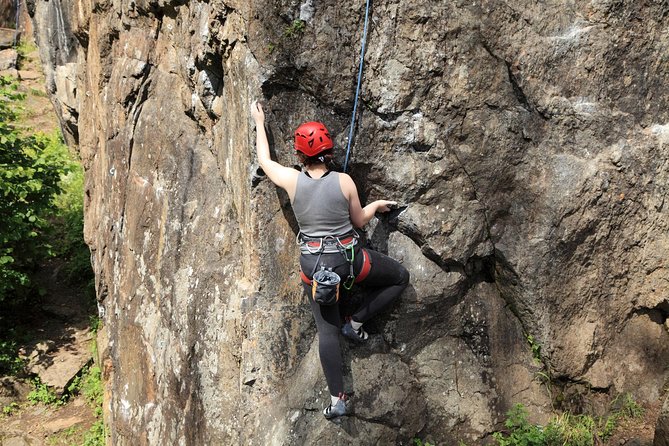
Rock climbing starts with control. This Seattle, one-day outdoor intro helps you learn top-rope climbing with hands-on teaching, safety practice, and time on real rock.
I like the way the course builds skills you can actually use: you’ll learn climbing knots, climbing commands, and how to manage gear and belaying, then practice until it clicks. I also love the repetition—expect to climb and belay on at least 5–6 routes outdoors, so you get real feedback instead of a quick taste.
One thing to consider: it’s an outdoor day, so the route and crag plan can shift with weather and conditions, and you do need moderate physical fitness for the hiking and climbing.
In This Review
- Key highlights you’ll feel right away
- A 1-day Seattle outdoor climbing lesson that keeps it real
- Getting started at Miyar Adventures (and why the location matters)
- The skills you learn first: gear, knots, and climbing commands
- Harness, helmet, and shoes: what’s included vs what you might rent
- Belaying is the real course: how you learn to catch a fall
- Outdoors at a natural cliff: the short hike and the first top-rope routes
- Different routes teach different skills (not just “more climbing”)
- Safety and etiquette: ethics are part of the lesson
- How this connects to the belay test you want later
- Gear logistics and what to plan for on a full day
- Value check: what you’re really paying for
- Who this Seattle intro is best for
- Should you book this Seattle outdoor rock climbing intro?
- FAQ
- Where is the meeting point and when does the day start?
- How many people are in the group?
- What climbing style and routes will you do?
- What skills are you taught during the course?
- What gear is included, and what can you rent?
- Is transportation included?
- What about food?
- Is there free cancellation?
Key highlights you’ll feel right away
- Max group size of 6 means you get closer guidance while you learn the basics
- Belaying practice is a core focus (including learning how to catch a fall safely)
- Knots, gear basics, and commands are taught early so you can climb with confidence
- ATC and auto-locking belay devices are covered, so you understand what you’ll use in real settings
- At least 5–6 top-rope routes outdoors across different rock features, not just one easy line
- Crag ethics and safety concerns are built into the day, not tacked on at the end
A 1-day Seattle outdoor climbing lesson that keeps it real
If you’re new to rock climbing, you don’t need a long, complicated program. You need clear instruction, safe setup, and enough time on the wall to build comfort. That’s exactly the vibe here: a full-day intro designed around top-rope climbing, with steady coaching from start to finish.
This is also a smart way to learn outdoors without pretending you’re already an expert. You’ll start with fundamentals like equipment, knots, and belaying language, then move outside to a natural cliff face and start climbing. The goal is simple: leave with the basic skills you’d use to pass a belay test in an indoor climbing gym.
The day is run in small groups (up to 6), which matters. More attention means fewer guessing moments, and faster corrections when your harness, tie-in, or belay technique needs adjustment.
Paddle and splash, more days in the water

Getting started at Miyar Adventures (and why the location matters)
The meeting point is Miyar Adventures at 1120 NW Ballard Way in Seattle, with a 9:00 am start. The activity ends back at the same meeting point, so you’re not signing up for a long travel day or complicated logistics.
I like this setup for two reasons. First, you can show up and get gear and instruction immediately, instead of spending your energy figuring out where everything happens. Second, it keeps the day focused on the climbing skills, not on transportation planning.
One practical note: transportation isn’t listed as included. So while the climbing day itself is guided, you should plan to handle how you get to the meeting point and follow the guide’s plan for moving to the cliff area.
The skills you learn first: gear, knots, and climbing commands
The course doesn’t treat “learning to climb” as one big leap. You’ll learn bite-size skills in a logical order: gear, knots, commands, then belaying, then climbing.
Here are the core skill areas you should expect to cover:
- Understanding climbing gear: harness, helmet, biners, belay devices (ATC and auto-locking), chalk bag, rock shoes, rope, and quick draws
- Climbing knots (the ones you’ll need for safe top-rope setup)
- Climbing commands so you and your partner communicate clearly
- Belaying basics, including how to catch a fall safely
- Basic technique for climbing rock faces and cracks
- Top-rope climbing as your main style
- Crag ethics and safety concerns so you behave well on real rock
What I like most is that you’re not just learning definitions. You’re learning what to do and when to do it—especially for belaying and communications. On a first day, clarity is everything, because one unclear moment can turn a fun session into a stressful one.
Also, the teaching staff includes instructors who are known for being patient with beginners. In past outings with Miyar Adventures, guides such as Brett, Simon, Sandeep, and Glen were called out for clear instruction and for helping people manage fear while keeping safety front and center. That blend of calm coaching and practical technique is exactly what you want on your first outdoor day.
Harness, helmet, and shoes: what’s included vs what you might rent
The good news is the day is set up to reduce friction. Belay devices are included, and you’ll have materials for top-rope setup, including ropes and anchor materials. There’s also a group medical kit.
What you might need to arrange yourself (or rent) includes:
- Harness (rentals available)
- Helmet (rentals available)
- Rock climbing shoes (rentals available)
- Chalk bag with chalk (chalk is listed as optional)
If you’re new, this matters because it’s easy to underestimate how specific climbing gear feels compared with regular sneakers. Rock shoes and a harness you trust can make the difference between feeling awkward and feeling supported.
My practical advice: don’t assume you already know what fits. If rentals are available, use them. A first-time harness fit check and shoe sizing can prevent discomfort that ruins concentration.


Belaying is the real course: how you learn to catch a fall
Top-rope climbing is often described as approachable, but the skill that makes it safe is belaying. This course treats belaying as a primary objective, not an afterthought.
You’ll learn:
- How to belay climbers safely
- How to catch a fall (learning what that looks like from the belayer side)
- How to use belay devices, including ATC and auto-locking types
You’ll also practice enough that you’re not just watching once and then “being trusted” to do it. The highlight here is time: you get plenty of opportunity to climb and to practice belaying while you’re learning.
That’s why small groups matter. When there are only up to 6 people, your instructor can check your stance, your rope handling, and your communication cues without waiting in line for attention.
Outdoors at a natural cliff: the short hike and the first top-rope routes
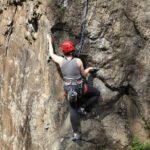
At some point you’ll head from the meeting spot area to a natural cliff face. The day includes a short hike to reach rock, then you’ll begin climbing on that real rock surface.
You should plan on this feeling: the moment you step onto a cliff face, the learning becomes physical. Rope angles change. Holds look different. Even if the climb is on top rope, you’ll notice how rock features guide your body.
The best part for beginners is that you’re not stuck on one route. You’ll climb on at least five to six top-rope routes outdoors, with different rock types and features. This gives you more than confidence—it gives you pattern recognition. After a few routes, you start understanding how to read the rock and how to adjust your movement when something feels harder.
One past first-timer experience also shows that the crag plan may shift with weather. When local Seattle options didn’t work out, the group drove east toward Frenchman Coulee for the day and still got a full, fun climbing session. If conditions aren’t ideal, don’t panic; you’re in good hands with an instructor who can adjust the plan.
Different routes teach different skills (not just “more climbing”)
Five or six routes sounds like a lot, but what matters is variety. The course is built to get you on multiple climbs with unique features and rock types. That variation teaches you more than strength. It teaches adaptation.
Here’s how that helps you as a beginner:
- You’ll learn how climbing technique changes from rock faces to cracks
- You’ll get practice switching mindset between routes
- You’ll build trust in the system because the safety setup stays consistent while the climbing changes
You don’t need to be strong to enjoy it. The instruction is set up for beginners, and you’re supported as you explore different kinds of movements. The goal isn’t a redpoint fantasy. The goal is safe, repeatable skills you can build on next.
Safety and etiquette: ethics are part of the lesson
Outdoor climbing isn’t just technical. It’s also social and environmental. This course includes cragging area ethics, plus safety concerns.
That matters for two reasons. First, you want to understand how to behave around other climbers and on natural sites. Second, ethics and safety go together: when you understand why rules exist, you follow them without needing a constant reminder.
In a good beginner course, ethics aren’t moral lectures. They’re practical habits: how you handle gear, how you move around the cliff area, and how you think about safety as part of your routine.
How this connects to the belay test you want later
A lot of beginner climbers ask one question: will I be ready for the indoor belay test? This course is structured with that in mind.
By the end, you’ll have learned fundamental skills that aim to help you pass a belay test in an indoor climbing gym. That usually means you’ll have the basics of belay technique, communication commands, and safety checks down in a real-world setting—not just in theory.
Even if the exact gym test format differs, the core is the same: you need to show control, correct rope handling, and safe partner communication. This course focuses on those basics early, then backs it up with repetition.
Gear logistics and what to plan for on a full day
This is a full-day intro, so you should expect it to be active. You’ll climb, hike briefly, practice belaying, and get instruction throughout.
A few practical considerations based on what’s provided:
- Belay devices and top-rope setup materials are included
- You may need to rent harness, helmet, and shoes
- Chalk is optional (chalk bag with chalk)
- Meals/snacks aren’t included
- Transportation isn’t included
That doesn’t mean the day is hard to manage. It just means you should plan your energy like a normal outing: eat before you arrive, and think about snacks and hydration even though they’re not part of the package.
Also, the course lists a moderate physical fitness level. If you can handle walking and some climbing effort, you’re in the right zone. If you’re dealing with major mobility limits, you’ll want to consider whether you can comfortably do the hike and perform the belaying actions while wearing gear.
Value check: what you’re really paying for
There’s no price listed here, so I can’t do the math. But I can tell you what you’re getting that usually costs time and money on your own.
You’re paying for:
- Professional guide instruction
- Repeated practice time on real top-rope routes outdoors
- A coached approach to core safety skills (belaying, commands, knots)
- Included equipment for top-rope setup (ropes and anchor materials)
- Included belay devices and a group medical kit
If you’re trying to learn belaying by watching videos, you’ll quickly run into the problem this course solves: feedback. With an instructor watching your rope handling and communication, you correct the stuff that actually matters.
The small group size also increases value. With fewer people, you spend less time waiting and more time climbing and practicing.
Who this Seattle intro is best for
This is a strong match if:
- You’ve never climbed outdoors and want a structured entry
- You want to learn belaying seriously, not just hold the rope while someone else figures it out
- You like a small-group pace with lots of direct guidance
- You want to build skills you can carry into an indoor gym belay test
It may be less ideal if:
- You want a purely social hike with optional climbing (this is skill-focused)
- You have very limited mobility and aren’t sure you can do the hike and climbing movements while practicing belaying
Should you book this Seattle outdoor rock climbing intro?
If you want an outdoor climbing day that prioritizes safety, repetition, and real instruction, this is an easy yes. The biggest reason is the structure: you learn equipment and knots, you practice belaying (including fall-catching basics), and you get multiple top-rope climbs on real rock in a small group.
If you’re on the fence, base your decision on one point: you’re willing to do the work. This isn’t a spectator tour. It’s a hands-on coaching day, and that’s exactly why it works.
If you book, bring the mindset that you’re here to learn. You’ll be glad you did when you’re belaying confidently and climbing with control, not just getting lucky on one easy route.
FAQ
Where is the meeting point and when does the day start?
The tour starts at Miyar Adventures, 1120 NW Ballard Way, Seattle, WA 98107. Start time is 9:00 am, and it ends back at the meeting point.
How many people are in the group?
The experience has a maximum of 6 travelers per booking, and it’s described as small group instruction for personal attention.
What climbing style and routes will you do?
You’ll climb top-rope routes outdoors on at least 5 to 6 routes, with different rock types and features.
What skills are you taught during the course?
You’ll cover understanding climbing gear, climbing knots, climbing commands, learning to belay and catch a fall, basic technique for rock faces and cracks, top-rope climbing, and crag ethics and safety concerns.
What gear is included, and what can you rent?
Instruction is included, along with materials for top-rope setup (ropes and anchor materials), a group medical kit, and belay devices. Harness, helmet, and rock climbing shoes are not included but rentals are available. A chalk bag with chalk is listed as optional.
Is transportation included?
Transportation is not included. You should plan to handle how you get to and from the meeting point.
What about food?
Meals and snacks are not included.
Is there free cancellation?
Yes, you can cancel for a full refund up to 24 hours in advance of the experience start time. If you cancel less than 24 hours before, the amount paid is not refunded.
On the Water by Paddle
- Upper Skagit Introductory Whitewater Rafting Trip
★ 5.0 · 292 reviews - Waterfall Rappelling Canyoneering Adventure + Photo Package!
★ 5.0 · 29 reviews - Guided Kayak Tour To Hope Island State Park
★ 5.0 · 10 reviews - West Seattle Sunset Sea Kayak Tour
★ 5.0 · 5 reviews - Elliott Bay Sea Kayak Tour
★ 5.0 · 4 reviews - Alki Lighthouse Sea Kayak Tour
★ 5.0 · 3 reviews
Just Added: Fresh Seattle Tour Reviews
- Viator Exclusive – Half Day Mountain Bike Tour from Seattle★ 5.0 · 3 reviews
- Break It and Make It: A Glass Fusing Session in Everett★ 4.5 · 3 reviews
- Bainbridge Island Discovery and Wine Tour★ 5.0 · 3 reviews
- Alki Lighthouse Sea Kayak Tour★ 5.0 · 3 reviews
- Sail Bainbridge Island & Seattle Waters – Classic Sailboat★ 5.0 · 3 reviews
- City Sightseeing Seattle: HOHO Bus Tour + Locks Cruise★ 4.3 · 3 reviews
Kayaking, Rafting & Canyoning, compared.
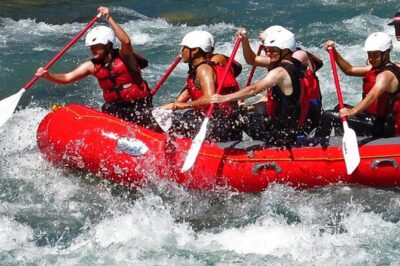 ★ 5.0Upper Skagit Introductory Whitewater Rafting TripFrom $115292 reviews
 ★ 5.0Waterfall Rappelling Canyoneering Adventure + Photo Package!From $32929 reviews
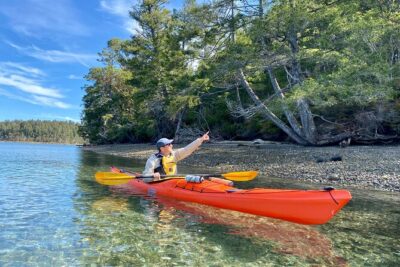 ★ 5.0Guided Kayak Tour To Hope Island State ParkFrom $8910 reviews
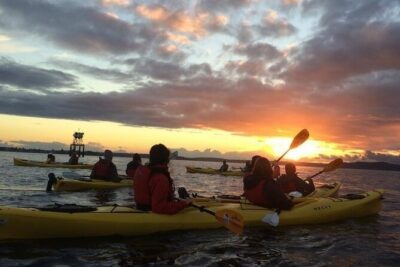 ★ 5.0West Seattle Sunset Sea Kayak TourFrom $1395 reviews
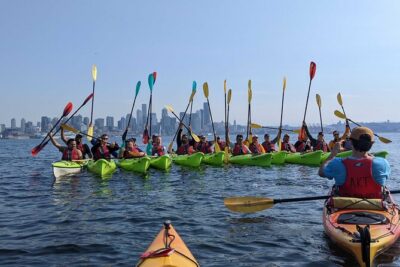 ★ 5.0Elliott Bay Sea Kayak TourFrom $1394 reviews
 ★ 5.0Lake Union Kayak Tour – Small Groups, Big ViewsFrom $803 reviews
 ★ 5.0Alki Lighthouse Sea Kayak TourFrom $1493 reviews
Browse the lists this tour appears in