
REVIEW · WHALE WATCHING & SAN JUAN ISLANDS
Only Wildlife and Whale Watching Tour Leaving from Seattle
Seattle’s whale watching starts right in the city. From Pier 69 you cruise out into the Salish Sea fast, with an onboard naturalist explaining what you’re seeing. It’s a rare setup where you get both skyline views and real wildlife time without a long drive.
What I like most is how the trip balances city sightseeing and whale-spotting. You also get two ways to sit—standard or premium—plus access to multiple viewing spots, including the outdoor areas where sightings actually happen. The main drawback is that whale time isn’t guaranteed, and some days feel slow at first, with lots of crowd pressure on the best viewing spots.
In This Review
- Key Takeaways Before You Go Whale Watching from Pier 69
- Pier 69 Makes Seattle Whale Watching Feel Effortless
- The FRS Clipper Boat: Where to Sit and How Not to Get Blocked
- What You’re Actually Looking For in the Salish Sea
- Onboard Naturalist Talks (and the Value of Asking Questions)
- Whale Watching Time: Why the Trip Can Feel Fast or Long
- Seating Reality Check: Standard vs Premium (What Actually Matters)
- Onboard Food and Drinks: The Galley Keeps the Mood Up
- Photos, Binoculars, and the Surprise About Picture Downloads
- Who This Seattle Whale Watch Is Best For
- Should You Book This Seattle Whale Watching Tour from Pier 69?
- FAQ
- Where does the tour start?
- How long is the whale watching cruise?
- What language is the tour offered in?
- What whales and wildlife can you see?
- Is there food and drink onboard?
- Are taxes included in the price?
- Is air-conditioned vehicle transport included?
- How many people are on the boat?
- Can I cancel for a full refund?
- What if the tour is canceled due to weather?
- Is the meeting point near public transportation?
Key Takeaways Before You Go Whale Watching from Pier 69
- Depart downtown, not out in the suburbs so you can pair the cruise with Pike Place Market and the waterfront.
- Onboard naturalist commentary helps you read whale behavior and ask questions while you search.
- Multiple seating and viewing areas mean you can move to find the best sightlines.
- Premium seating isn’t a magic upgrade if your goal is uninterrupted deck viewing.
- Food and drinks are available onboard (you won’t have to ration snacks).
- Expect variability in sightings and timing depending on weather and wildlife movement.
Pier 69 Makes Seattle Whale Watching Feel Effortless
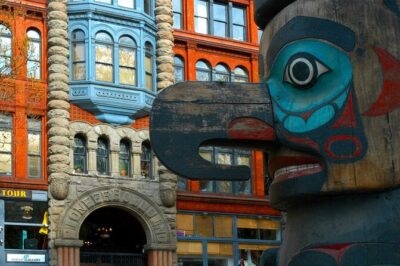
This tour is built for travelers who want a straightforward start: you meet at 2701 Alaskan Wy and board at Pier 69, right by the downtown waterfront. It’s also a short walk from big landmarks like Pike Place Market and the Space Needle, which is handy if you want to do a little exploring before or after the cruise.
The first stretch is a smooth ride out toward Elliott Bay, with the Seattle skyline sliding by. That matters because even on a slower wildlife day, you’re still getting a real “on the water” Seattle experience, not just a long ride to a distant spot.
Out past the islands for orcas, more whale trips
The FRS Clipper Boat: Where to Sit and How Not to Get Blocked
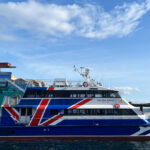
You’ll be on the FRS Clipper with seating options that include standard (non-window) and premium seating. In theory, premium sounds like the obvious choice. In practice, it often isn’t. Multiple sailings report that most of the best whale watching happens from the outdoor observation areas—especially where the boat turns so people can see.
Here’s the practical take: premium can be nice for comfort, but don’t assume it will solve visibility. The outdoor deck can get crowded during active whale sightings. If you’re short (or even if you’re average height), plan to change positions during the hunt rather than expecting a fixed seat to keep you perfectly aligned.
What You’re Actually Looking For in the Salish Sea
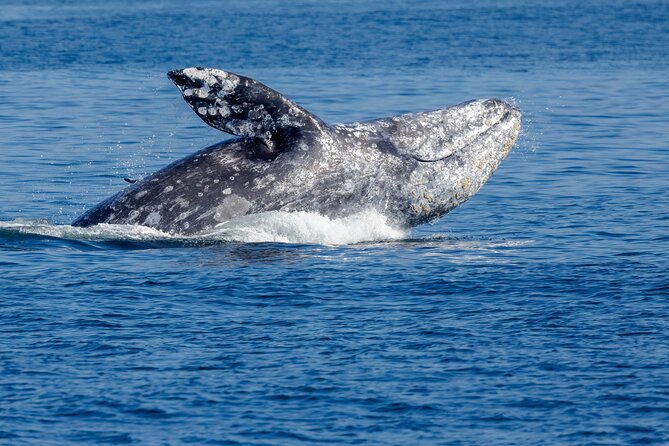
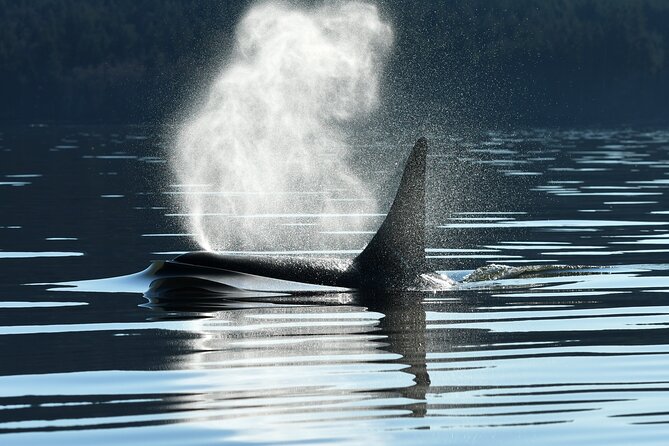
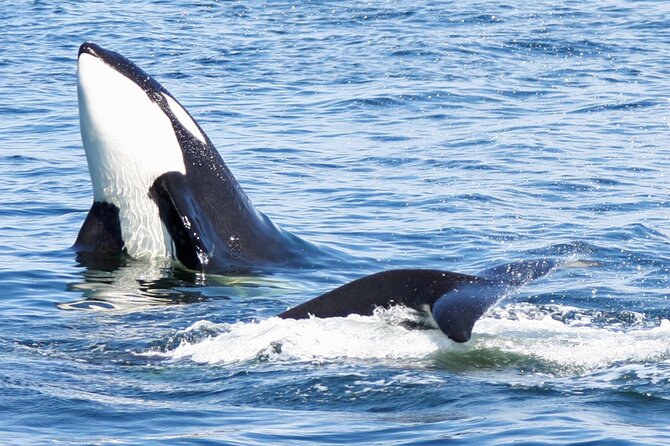
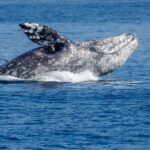
The search area is the Salish Sea, and the tour is specifically set up to spot multiple whale species and marine wildlife. On the whale list, you’re looking for orcas, humpback whales, gray whales, and minke whales.
You might also see the supporting cast:
- seals and sea lions
- porpoises
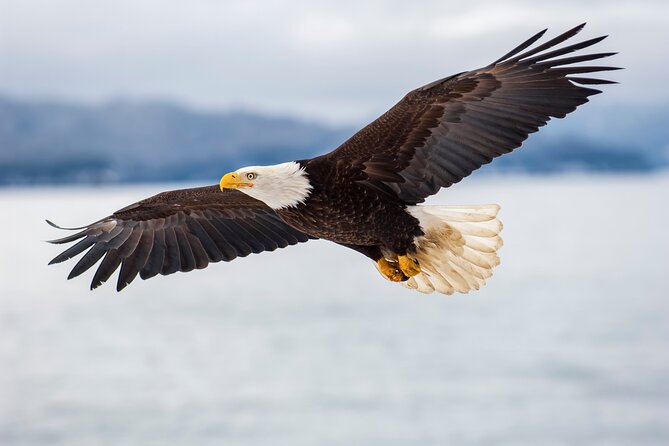
- bald eagles and other marine birds
- and in some cases, jellyfish
The onboard naturalist plays a real role here. When you get a sighting, you’ll usually get context fast—what the whale is doing, what behaviors to look for, and how researchers think about these animals. That turns random spouts into something you can actually track with your eyes.
Onboard Naturalist Talks (and the Value of Asking Questions)
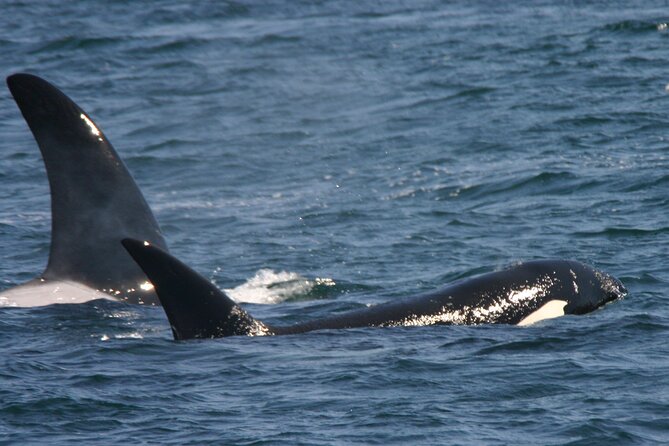
The tour’s best educational feature is the naturalist onboard—an expert who helps you connect what you see to how whales live and behave. This is where the experience stops being just “hoping for whales” and becomes “understanding the hunt.”
One name that comes up in the field notes from the staff: Allison, referenced as an especially information-packed naturalist. Even if you don’t get the same guide, the format is the same: you’re free to ask questions, and the commentary helps you interpret whale movement rather than just watching from the deck like it’s a nature-themed screensaver.
Tip: if you want to photograph, ask what they recommend for timing and distance. Your phone camera can struggle with far-off subjects; binoculars make a big difference, especially when the deck crowd is thick.


Whale Watching Time: Why the Trip Can Feel Fast or Long
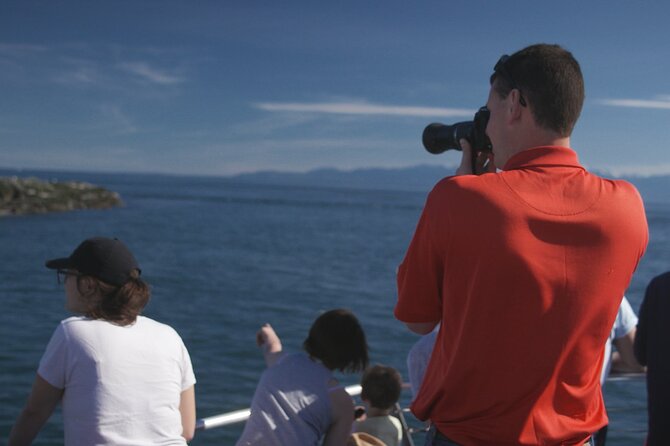
The tour runs about 3 to 5 hours. In real sailing time, wildlife determines the rhythm. Some departures stretch closer to 6 hours when the crew ends up following active whales. That’s not necessarily a bad thing. It means the crew is willing to re-position when something is happening.
One thing to go in knowing: whale spotting can include long quiet stretches. On some days, sightings take time and the boat may be out for a while before the first big moment. If you’re going with tight schedules, keep a little breathing room. If you’re going for the wildlife, bring patience as part of your gear.
Weather matters too. The experience is described as requiring good conditions. When visibility gets tough (like fog), the crew may call in help from other boats—because whale watching is a moving target, literally.
Seating Reality Check: Standard vs Premium (What Actually Matters)
Premium seating is an option, and you might assume it’s the best view. Based on what people report from multiple sails, the “premium = instant whale views” idea doesn’t always hold up. Viewing is often best outdoors, on the bow or observation areas, when whales get near the boat and the captain adjusts the route.
So how should you choose?
- If you want comfort for the ride and plan to spend active time moving around to spots that open up, standard is usually enough.
- If you want a calmer place to sit between sightings, premium can be worthwhile.
- Don’t treat premium as a guarantee you’ll never have to stand or reposition.
Also, at peak activity, the deck becomes a group project. People pack in. If you’re sensitive to that, choose a plan that includes stepping away briefly when it gets too tight.
Onboard Food and Drinks: The Galley Keeps the Mood Up
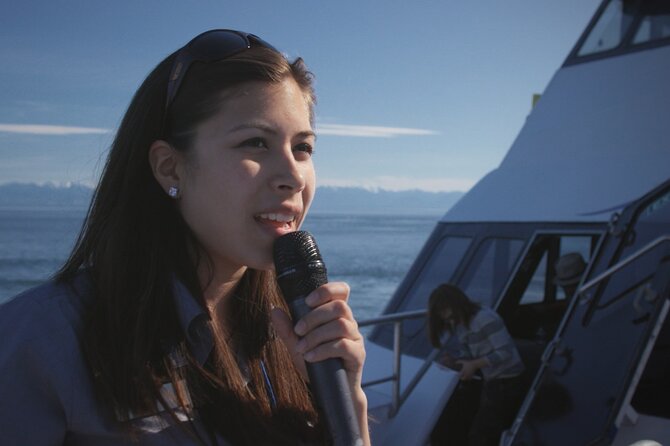
There’s a food and drink galley onboard, so you’re not stuck with dry air and empty stomach frustration. Prices are described as reasonably priced, and several sailings note that the food is better than expected.
Practical tip: bring cashless payment if the galley works that way on your departure (the tour data doesn’t specify payment methods). Also, if you get motion sick easily, eat something light first and avoid going too heavy right before the boat is in rougher water.
If the weather turns cool and you end up standing outside longer, warm layers matter. One easy fix: bring an extra layer just in case you’re on deck longer than planned.
Photos, Binoculars, and the Surprise About Picture Downloads
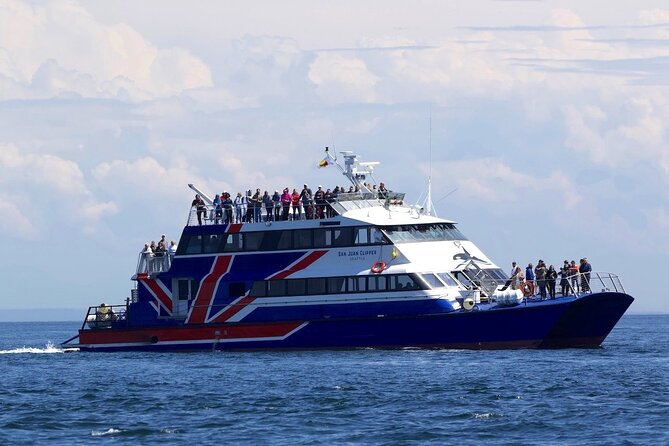
This tour tends to include photo-friendly moments. Staff often help by taking photos when whales are spotted, and there can also be professional photographers on board.
Here’s the practical “don’t get surprised later” point: photos you see offered for purchase may not be automatically included as a download. If photography matters to you, ask at the start what’s included versus what’s sold separately, so you can decide in the moment rather than later while you’re tired and excited.
Binoculars are a smart add-on. One consistent theme from the experience is that whales can be far enough away that your naked eye needs support—and phone cameras may not capture much detail compared to what you can see through binoculars.
Who This Seattle Whale Watch Is Best For
This is a solid match if you want:
- wildlife plus city scenery in one outing
- an onboard naturalist explanation, not just a silent boat ride
- multiple viewing spots so you can reposition during sightings
It also tends to work well for families. One account describes it as toddler friendly, with multiple viewing points and kid-focused touches at disembark. If you’re traveling with little ones, plan for crowds on deck and bring a warm layer so everyone stays comfortable during longer whale search periods.
Should You Book This Seattle Whale Watching Tour from Pier 69?
I’d book it if you want an easy, downtown departure and you’re excited to learn while you look. The combination of Pier 69 convenience, Salish Sea wildlife searching, and an onboard naturalist is a strong value for the experience you’re buying.
I’d think twice if your priority is guaranteed whale time, or if you hate crowds and long stretches of “not yet.” This tour is an adventure in real weather and real animal movement. When whales cooperate, it’s memorable. When they don’t, you’ll still have a scenic Seattle cruise with wildlife education—but it may not feel worth it to you.
FAQ
Where does the tour start?
The tour starts at 2701 Alaskan Wy, Seattle, WA 98121, USA (Pier 69 area).
How long is the whale watching cruise?
It runs about 3 to 5 hours, depending on conditions and wildlife activity.
What language is the tour offered in?
The experience is offered in English.
What whales and wildlife can you see?
You’re looking for orcas, humpback whales, gray whales, and minke whales, and you may also spot seals, sea lions, porpoises, bald eagles, and other marine birds.
Is there food and drink onboard?
Yes. There is a food and drink galley available on the vessel.
Are taxes included in the price?
Yes. The price includes all applicable taxes and surcharges.
Is air-conditioned vehicle transport included?
No. An air-conditioned vehicle is not included.
How many people are on the boat?
The maximum group size is listed as 150 travelers.
Can I cancel for a full refund?
Yes. You can cancel up to 24 hours in advance for a full refund.
What if the tour is canceled due to weather?
If it’s canceled due to poor weather, you’ll be offered a different date or a full refund.
Is the meeting point near public transportation?
Yes, it is near public transportation.
Northwest Wildlife, Up Close
- Seattle: Half-Day Wildlife and Whale Watching Cruise
★ 4.3 · 378 reviews
Orcas and the San Juan Islands
- Seattle: Half-Day Wildlife and Whale Watching Cruise
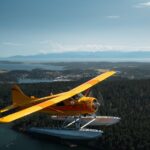
★ 4.3 · 378 reviews - 3 Hours San Juan Island Seaplane Tour from Seattle
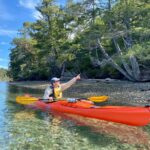
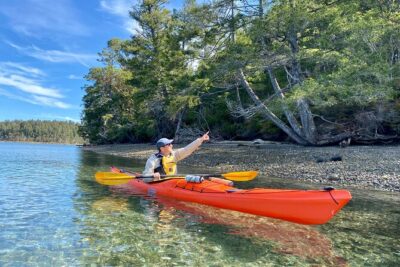
★ 4.5 · 27 reviews - Guided Kayak Tour To Hope Island State Park
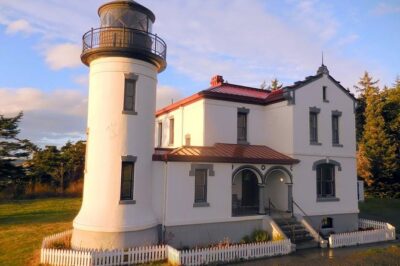
★ 5.0 · 10 reviews - Deception Pass Bridge Island Tour from Seattle
★ 5.0 · 7 reviews - Whidbey Island Deception Pass Private SUV Tour
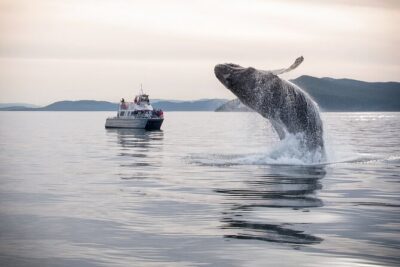
★ 5.0 · 6 reviews - Whale Watching + Deception Pass Tour from Seattle
★ 5.0 · 4 reviews
Just Added: Fresh Seattle Tour Reviews
- Viator Exclusive – Half Day Mountain Bike Tour from Seattle★ 5.0 · 3 reviews
- Break It and Make It: A Glass Fusing Session in Everett★ 4.5 · 3 reviews
- Bainbridge Island Discovery and Wine Tour★ 5.0 · 3 reviews
- Alki Lighthouse Sea Kayak Tour★ 5.0 · 3 reviews
- Sail Bainbridge Island & Seattle Waters – Classic Sailboat★ 5.0 · 3 reviews
- City Sightseeing Seattle: HOHO Bus Tour + Locks Cruise★ 4.3 · 3 reviews
Whale Watching & San Juan Islands, compared.
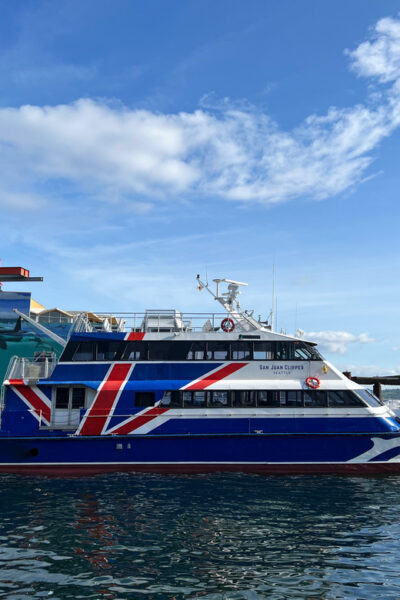 ★ 4.3Half-Day Wildlife and Whale Watching CruiseFrom $148378 reviews
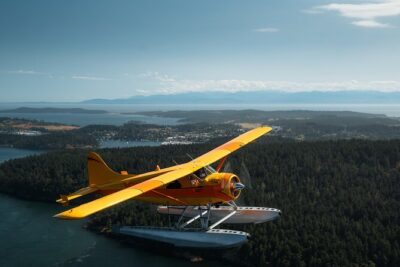 ★ 4.53 Hours San Juan Island Seaplane Tour from SeattleFrom $36927 reviews
 ★ 5.0Guided Kayak Tour To Hope Island State ParkFrom $8910 reviews
 ★ 5.0Deception Pass Bridge Island Tour from SeattleFrom $3527 reviews
 ★ 5.0Whidbey Island Deception Pass Private SUV TourFrom $3526 reviews
 ★ 5.0Whale Watching + Deception Pass Tour from Seattle4 reviews
 ★ 4.0Tulip Festival at Skagit Valley ,La Conner and Deception PassFrom $2954 reviews
 ★ 5.0Skagit Valley Birding + Deception Pass Day Tour From SeattleFrom $2623 reviews
Browse the lists this tour appears in