
REVIEW · CASCADE PEAKS & VOLCANO TRIPS
Mt. St. Helens National Monument from Seattle: All-Inclusive Small-Group Tour
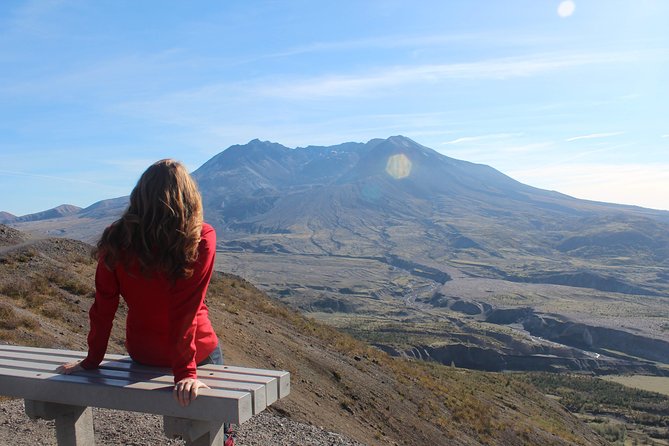
Mt. St. Helens feels close from Seattle. This all-inclusive small-group trip makes it doable with round-trip transit and a naturalist guide who keeps the day flowing from wetlands and old-growth forest to the 1980 blast zone. I love the small-group size (max 10) because it keeps questions from getting lost and lets the guide pace the hikes.
The one drawback to plan for: it’s still a long day. Expect a lot of time outdoors, early start energy, and wet weather potential.
In This Review
- What makes it satisfying for a full day out
- Key points worth knowing before you go
- Why Mt. St. Helens Works as a Seattle Day Trip
- The Small-Group Van Setup: Pickup and Pacing That Feels Manageable
- Morning Stretch at Billy Frank Jr. Nisqually National Wildlife Refuge
- Lewis and Clark State Park: Old Growth Forest and Giant Trees
- The Visitor Center Stop: Learn, Reset, and Keep Your Energy
- Coldwater Lake Boardwalk: A Slow Nature Walk Before the Big Hikes
- Eruption Trail: Walking Into the 1980 Blast Zone
- Hummocks Trail Along the Toutle River: Bits of Mountain That Traveled
- Science + Learning Center: Views, Context, and the Final Wrap
- Food, Coffee, and the Small Comforts That Add Real Value
- Walking Effort, Weather, and What You Should Actually Wear
- Price and Value: How $344 Holds Up for a 12-Hour Day
- Who This Tour Suits Best (and who might prefer something else)
- Should You Book This Seattle to Mt. St. Helens Tour?
- FAQ
- How long is the Mt. St. Helens tour from Seattle?
- Is pickup from Seattle included?
- What time does the tour start?
- How big is the group?
- What’s included in the price?
- What should I wear and bring?
- How strenuous is the tour?
- What happens if it rains?
- Can I get a refund if plans change?
What makes it satisfying for a full day out
I also love how the basics are handled for you. Between the coffee/tea, snacks, and a seasonal lunch picnic, you can focus on the outdoors instead of trying to hunt down food along the way. In past departures, guides like Brent, Evan S, Mal, Tess, Nate, Elk, and Marty have all shown up with strong on-the-ground interpretation and a friendly, organized style that makes the geology feel human.
Key points worth knowing before you go
Small-group comfort (up to 10 people) keeps the day personal and flexible.
Guided hikes on multiple recovery stages helps you see how nature rebounds after catastrophe.
Built-in food and warmth includes coffee/tea, snacks, and seasonal lunch, plus extra warm layers on request.
Weather-proof planning means rain or clouds won’t stop the learning, but views can vary.
Stops go beyond the mountain with birding at Billy Frank Jr. Nisqually NWR and old-growth at Lewis and Clark State Park.
Volcanoes and high passes, more Cascade day trips


Why Mt. St. Helens Works as a Seattle Day Trip
If you want Mt. St. Helens without driving yourself, this is the kind of tour that actually makes sense. Seattle to the monument area is not a quick hop, and the benefit of organized round-trip transit is simple: you spend your energy walking, not navigating.
The bigger win is the way the day tells a story. You start with living ecosystems (birds, forest), then you shift into the eruption’s impact, then you finish in places built to help you understand what you saw. That’s how a 12-hour trip becomes more than just scenic stops.
The Small-Group Van Setup: Pickup and Pacing That Feels Manageable

This is a public small group tour, capped at 10 people. That matters because the day has multiple short hikes and steady transit between them. In a big group, it’s easy to feel rushed. In a group this size, your guide can steer the schedule based on how everyone’s doing and how conditions look.
Pickup is a strong plus if you’re staying central. The tour offers pick-up and drop-off at downtown Seattle hotels, Airbnbs, and rentals (and can arrange SeaTac or Tacoma-area pick-ups upon request). You’ll also get a message the afternoon before to lock in your exact pick-up time.
One practical tip: bring your patience for time. The trip runs about 12 hours, with a 7:30am start. That’s not “sleep-in vacation timing,” but it’s the trade-off for getting multiple hikes and viewpoints in one day.
Morning Stretch at Billy Frank Jr. Nisqually National Wildlife Refuge
This first stop is set up for birds and big open skies. You’ll spend about 30 minutes at Billy Frank Jr. Nisqually National Wildlife Refuge, with the focus on migrating birds. It’s a nice way to ease into the day before you head into more intense volcanic terrain.
Why I like this stop for first-timers: it changes the tone. You go from city life to wetland life quickly, and it reminds you that this region is not just about one famous eruption. It’s also about what the Pacific Northwest does best—quiet abundance, even when the weather is doing its thing.
Possible downside: 30 minutes goes fast, and birding depends on what’s moving that day. If you’re hoping for nonstop bird action, think of this as a good start, not a full bird-watching outing.

Lewis and Clark State Park: Old Growth Forest and Giant Trees
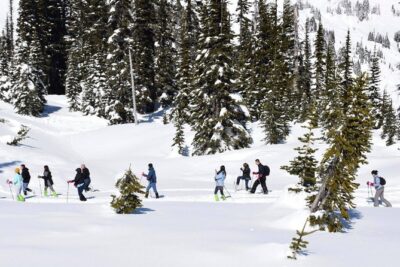
Next you step into older forests at Lewis and Clark State Park. Plan on about 45 minutes for a short hike through old growth stands featuring truly huge trees. This stop is valuable because it gives you a baseline for what the area looked like before 1980.
Here’s the practical benefit: when you later walk through the recovery zones at Mt. St. Helens, you can actually compare what you see. Old growth isn’t just pretty; it helps you understand what was lost and what has returned in new forms.
What to watch for: you’ll want closed-toe, grippy shoes. Even a short hike can feel longer if the ground is damp.
The Visitor Center Stop: Learn, Reset, and Keep Your Energy
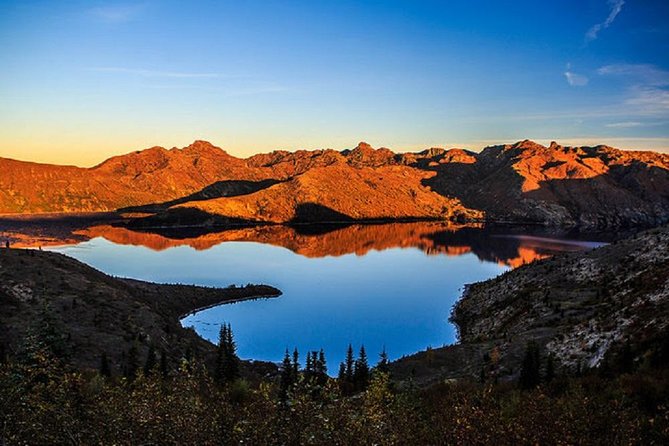
About halfway through the volcanic portion of the day, you’ll stop at the Mt. St. Helens Visitor Center above Silver Lake for roughly 30 minutes. This is your interpretive break and also a restroom reset point.
This stop is more than a pause on the schedule. The interpretive information helps connect the hiking trails to what caused the blast and how the monument manages recovery and visitor experience. If the mountain is partially socked in by clouds, this is where you can still make the day feel meaningful.
One consideration: because conditions change, your guide may adjust timing. When weather is variable, the visitor center helps keep the learning moving even if views are limited.
Coldwater Lake Boardwalk: A Slow Nature Walk Before the Big Hikes
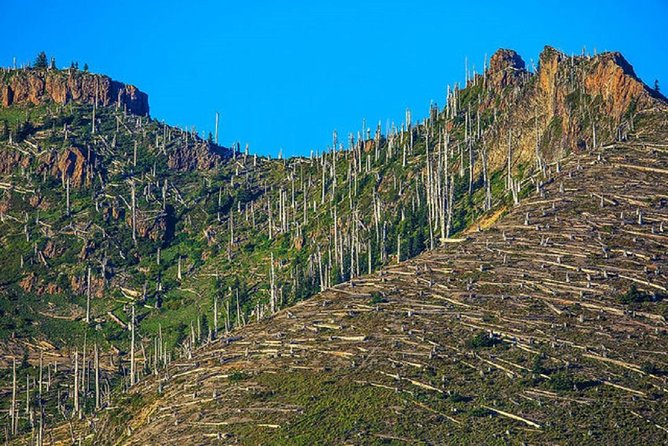
Then comes Coldwater Lake, around 1 hour on the boardwalk for a nature walk. The boardwalk style matters: it gives you a safer, steadier route than scrambling through uneven ground while still letting you get out and stretch.
This stop works well because it’s not only about scenery. It’s a breather before you head into trails that put you closer to the eruption zone.
If it’s rainy, boardwalk walks can feel chilly but also very manageable. If you’re dressed for wet weather, it’s a good section of the day to slow down and look closely at how plants are adapting.
Eruption Trail: Walking Into the 1980 Blast Zone
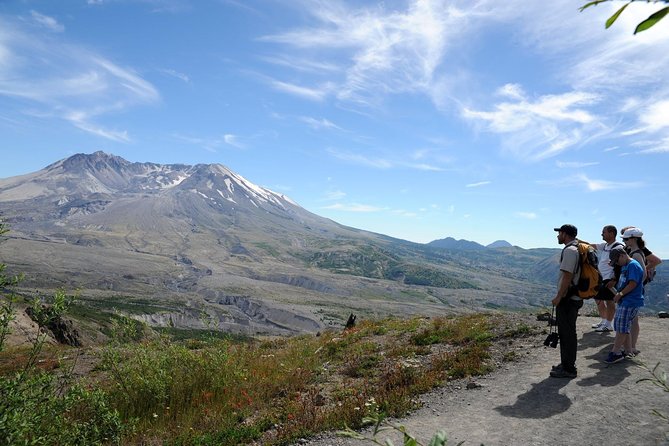
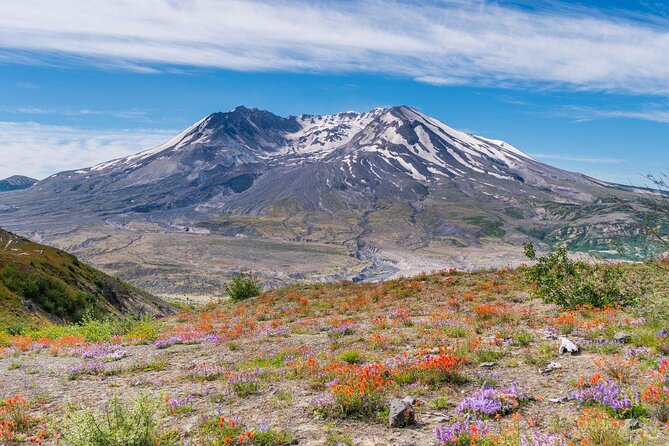
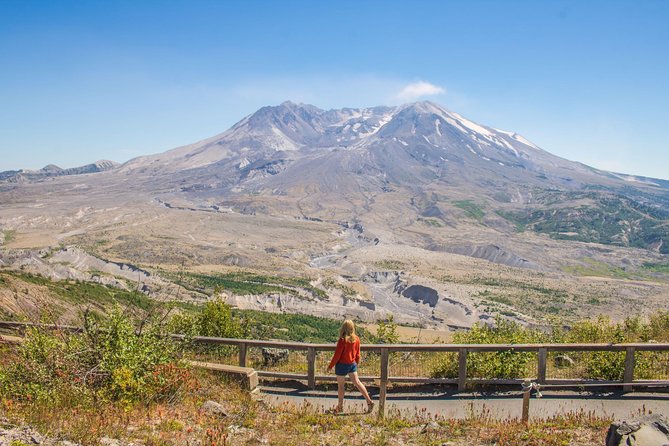
Now for the headliner. The Eruption Trail is about 1 hour 30 minutes, and it’s where you get the most direct connection to what happened in 1980. You’ll walk into the blast zone area and see recovering ecosystems coming back in real time.
This is where a naturalist guide earns their keep. A good guide doesn’t just label plants; they explain why certain spots look the way they do—what survived, what started over, and how the environment changed.
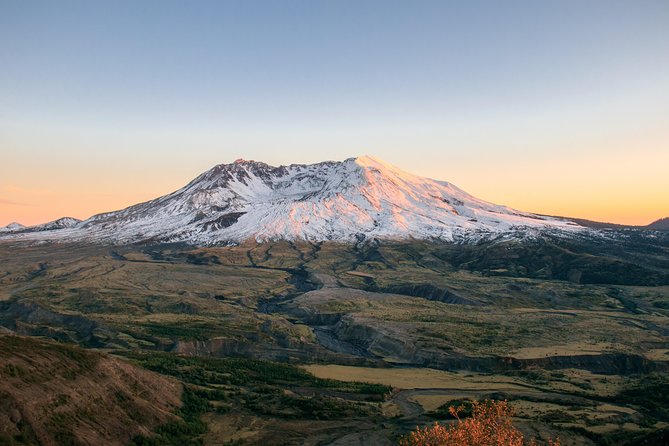
Reality check: views can vary. Clouds are common in this region, and on some days you might see the mountain more clearly than others. The upside is that the trail still teaches you something even when the summit hides.
Hummocks Trail Along the Toutle River: Bits of Mountain That Traveled
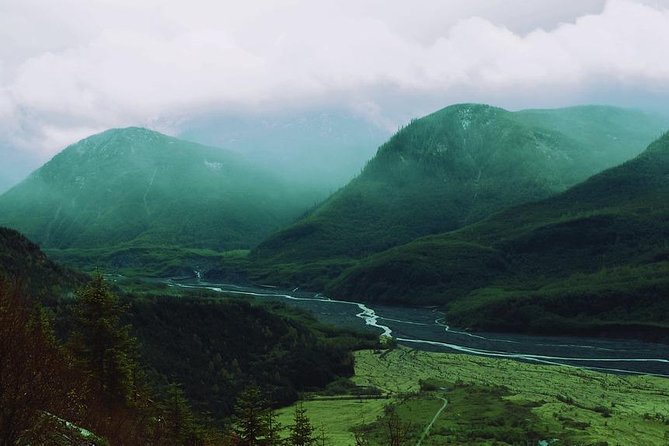
After the eruption trail, you’ll move to Hummocks Trail for about 1 hour. This is a standout because it’s specific and weird—in a good way. Hummocks are pieces of Mt. St. Helens that were moved miles during the eruption. You’ll walk along the Toutle River through their resting place far from where the mountain used to be.
This stop lands well with people who love geology or who want a clearer mental picture of scale. You don’t need fancy math; the physical reality of those displaced chunks does the work for you.
Possible drawback: because it’s tied to terrain and river edges, it’s one of the places where your shoe grip matters. If you’re prone to slipping on damp ground, take your time here.
Science + Learning Center: Views, Context, and the Final Wrap
To close the day, you’ll visit the Mt. St. Helens National Volcanic Monument Science + Learning Center above Coldwater Lake for about 40 minutes. You get another stretch of scenic views, plus time inside for regional education, and yes, a gift shop if you want a souvenir.
Why this ending matters: after hikes and outdoor observation, you finally get to connect it all. The center helps you organize what you saw into a clearer story of eruption impact and recovery.
If you’re the type who likes to understand what you just walked through, this final stop makes the day feel complete instead of scattered.
Food, Coffee, and the Small Comforts That Add Real Value
The tour is all-inclusive in a way that’s genuinely practical. You get local coffee and/or tea plus snacks, sparkling water, and water provided. Lunch is seasonal and local, usually set up outdoors with big views.
In several accounts, lunch has felt like more than a sandwich stop. People have described tablecloths, napkins, and a lunch that feels planned rather than improvised. Breakfast has also been described as homemade in some departures, including French press coffee and baked treats at a nature preserve stage.
I like this setup because it supports the one thing you can’t replace on a day like this: stamina. When you don’t have to worry about meals, you’re more likely to enjoy the hiking sections instead of counting minutes until you can sit.
One note: breakfast and dinner are not included, so you’ll want to eat before pickup and plan something simple for after you return to Seattle.
Walking Effort, Weather, and What You Should Actually Wear
This tour is rated easy to moderate, and it’s designed to work for most people ages 10 and up. Still, “easy to moderate” doesn’t mean no effort. You’ll be on your feet for multiple trail segments plus boardwalk time, often with damp conditions.
Dress for layers. Bring a light wind/waterproof jacket and closed-toe comfortable walking shoes or hiking boots. Non-cotton outer layers help. Also consider a hat and sunglasses, since conditions can swing between mist and brighter breaks.
The tour notes that it runs in all weather conditions, and wet weather in the Pacific Northwest often changes quickly. If road closures happen during rare severe winter weather, the guide adjusts accordingly.
This is one of those days where a rain plan is not optional. It’s the default.
Price and Value: How $344 Holds Up for a 12-Hour Day
At $344 per person for about 12 hours, the price looks steep until you break down what’s included.
You’re paying for:
- Round-trip transportation from downtown Seattle (and arranged pick-ups near SeaTac or Tacoma on request)
- A professional naturalist guide
- Park entrance fees for Mt. St. Helens
- Hike time at multiple stops
- Coffee/tea, snacks, water, and a seasonal lunch picnic
- Warm clothing available upon request
If you were to do this independently, you’d likely spend time and money on transit, entrance fees, and hiring a guide (or losing the interpretive layer that makes the eruption meaningful). Here, the price also buys convenience: fewer logistics, a structured day, and guided interpretation on the trails.
Is it perfect value for everyone? No. If you only care about a single view and hate walking, this may cost more than you’ll use. But if you want multiple ecosystems, eruption recovery context, and a smooth day from Seattle, this is the kind of package price that feels fair.
Also, it’s popular. The average booking window is about 137 days in advance. If you’re traveling in peak season, book early.
Who This Tour Suits Best (and who might prefer something else)
This tour is a strong fit if you want:
- A guided approach to Mt. St. Helens geology and ecology
- A day that includes both history and recovery, not just a single viewpoint
- Real time outside with multiple short hikes
- A small group where a solo traveler can feel comfortable and ask questions
- Families who want teens included without turning the day into a long lecture
It’s less ideal if:
- You have very limited mobility or avoid walking outdoors for extended periods
- You only want one quick photo stop
- You hate structured schedules and prefer to wander freely all day
Should You Book This Seattle to Mt. St. Helens Tour?
Book it if you want a guided, all-inclusive day that actually teaches you what you’re seeing: birds at Nisqually, old growth giants at Lewis and Clark, then the eruption’s impact and the region’s recovery through trails like the Eruption Trail and Hummocks Trail.
Skip it if you’re hoping for an easy, sit-and-look experience. This is a walk-and-learn day, and you’ll feel that.
If you’re on the fence, here’s my practical decision rule: if you can do a full morning start and you like interpretation, you’ll likely find it worth the money. If you only want views and you’d rather drive yourself, consider a more flexible approach.
FAQ
How long is the Mt. St. Helens tour from Seattle?
It runs about 12 hours (approx.).
Is pickup from Seattle included?
Yes. The tour offers pick-up and drop-off at downtown Seattle hotels, Airbnbs, and rentals, plus pick-ups near SeaTac or Tacoma upon request.
What time does the tour start?
The start time is 7:30am.
How big is the group?
It’s a public small group tour with a maximum of 10 travelers.
What’s included in the price?
It includes a professional naturalist guide, coffee/tea, light snacks, a seasonal local lunch, water, transportation in a newer Ford Transit van, entrance fees for Mt. St. Helens National Monument, and pick-up/drop-off.
What should I wear and bring?
Wear comfortable closed-toe walking shoes. Dress in layers and bring a light wind/waterproof jacket. A hat and sunglasses help. Bring a cell phone or camera and any necessary medications.
How strenuous is the tour?
The tour is rated easy to moderate, with guided hikes tailored to the group’s tastes and abilities.
What happens if it rains?
The tour operates rain or shine. The guide adjusts the itinerary as needed since weather can change quickly.
Can I get a refund if plans change?
Free cancellation is available up to 24 hours in advance for a full refund.
Up Into the Cascades
- Luxury Leavenworth Day Trip through the Cascade Mountains
★ 5.0 · 61 reviews - Mount Baker Climb Tour from Washington
★ 5.0 · 17 reviews - Small-group Mt. St. Helen National Park Tour from Seattle in SUV
★ 4.0 · 11 reviews - Seattle: Mt. St. Helens National Monument Small Group Tour
★ 4.7 · 9 reviews - Leavenworth and North Cascades Sightseeing Tour
★ 4.0 · 9 reviews - Private Cascade Mountains and Waterfalls Tour from Seattle
★ 5.0 · 6 reviews
Just Added: Fresh Seattle Tour Reviews
- Viator Exclusive – Half Day Mountain Bike Tour from Seattle★ 5.0 · 3 reviews
- Break It and Make It: A Glass Fusing Session in Everett★ 4.5 · 3 reviews
- Bainbridge Island Discovery and Wine Tour★ 5.0 · 3 reviews
- Alki Lighthouse Sea Kayak Tour★ 5.0 · 3 reviews
- Sail Bainbridge Island & Seattle Waters – Classic Sailboat★ 5.0 · 3 reviews
- City Sightseeing Seattle: HOHO Bus Tour + Locks Cruise★ 4.3 · 3 reviews
Cascade Peaks & Volcano Trips, compared.
 ★ 5.0Luxury Leavenworth Day Trip through the Cascade MountainsFrom $35261 reviews
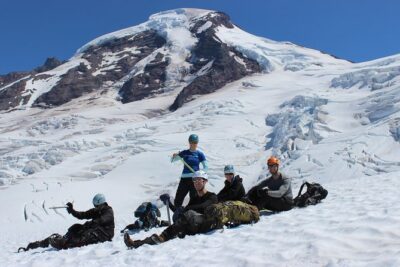 ★ 5.0Mount Baker Climb Tour from Washington17 reviews
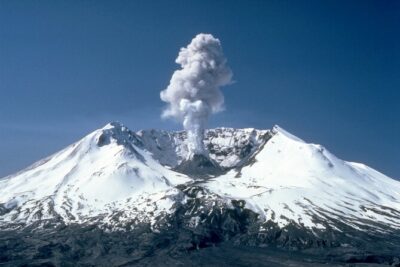 ★ 4.0Small-group Mt. St. Helen National Park Tour from Seattle in SUVFrom $37511 reviews
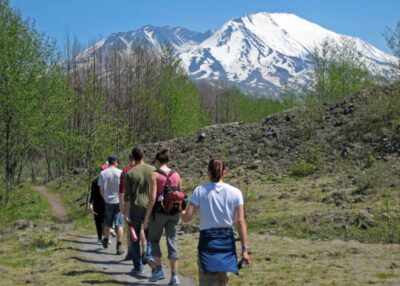 ★ 4.7Mt. St. Helens National Monument Small Group TourFrom $3269 reviews
 ★ 4.0Leavenworth and North Cascades Sightseeing TourFrom $1259 reviews
 ★ 5.0Private Cascade Mountains and Waterfalls Tour from SeattleFrom $3526 reviews
 ★ 3.0From Seattle – Enchanting Mt Baker and Cascades Tour in SUVFrom $3956 reviews
 ★ 5.0From Seattle: Mt Saint Helen TourFrom $2855 reviews
Browse the lists this tour appears in